Why Is My Cat Pooping Outside the Litter Box?



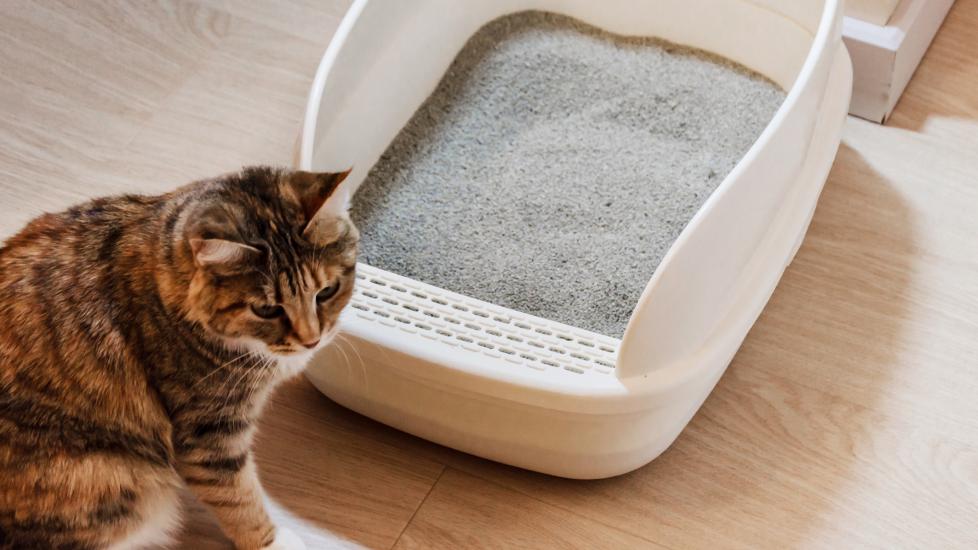
Nina Calykh/iStock / Getty Images Plus via Getty Images
No cat parent wants to discover that their cat is peeing outside their litter box or pooping outside their litter box.
Accidents happen occasionally, but if you notice your cat pooping outside the litter box on a regular basis, an underlying medical, behavioral, or environmental issue is likely to blame.
It's important to identify and correct the issue quickly, because cats can develop a preference for pooping on different surfaces—the habit of pooping outside the litter box can become a hard one to break.
Let’s look at how to stop your cat from pooping outside the litter box, signs to look out for, and when to take your cat to the vet.
Key Takeaways
- If a cat poops outside their litter box, it can be because of a medical, behavioral, or environmental issue.
- It’s important to work with your veterinarian to rule out a potential medical problem.
- Solutions will depend on the cause and may include finding a litter your cat prefers better.
Why Is My Cat Pooping Outside the Litter Box?
Whether your cat is pooping outside the litter box because of a medical, behavioral, or environmental issue, it can sometimes be challenging to figure out why they are not using their litter box.
Let’s look at the most common causes.
Medical Issues
Cats are good at hiding illness, but a cat pooping outside their litter box could be a sign that something is medically wrong. If your cat is suddenly pooping outside the litter box, schedule a visit with your vet.
Some medical issues that could lead to house soiling include:
-
Digestive problems. Constipation, diarrhea, inflammatory bowel disease, or other digestive issues that can cause a cat to feel a sense of urgency or pain when pooping can lead to the cat avoiding the litter box.
-
Arthritis. Mobility issues such as arthritis may make it difficult for cats to get into a litter box. It may also make the squatting position uncomfortable. Arthritis in the feet, especially in declawed cats, may cause discomfort when stepping on certain textures, like cat litter.
-
Diabetes or kidney disease. Certain medical conditions like diabetes and kidney disease can lead to increased urination, which if you’re not keeping up with litter box cleanings, may cause cats to feel the box is too dirty or not appropriate for use.
-
Cognitive dysfunction. Cognitive dysfunction can cause increased anxiety in a cat, which may make them feel uncomfortable in their litter box.
-
Matted fur. Long, matted, or dirty fur around the rectum can cause pain or discomfort for a cat, which may lead to litter box avoidance.
Before visiting your veterinarian, pay attention to your cat’s bowel movements and behavior so you can report any abnormalities. Take note of the following:
-
Are you noticing any changes in the size, color, or consistency of your cat's poop?
-
Does your cat seem to be pooping more or less frequently than before?
-
Have you noticed any changes in your cat’s appetite or thirst?
-
Is your cat limping, less playful than usual, spending less (or no) time in their favorite elevated locations, or choosing to rest or sleep in new places?
-
Are there any changes to their urination habits?
Change in the Environment
Cats can be quite picky and a minor change with their litter box environment can cause them to avoid using it. Some potential problems include:
-
The litter box location is wrong. Most cats prefer a litter box in a quiet, low-traffic area that they can easily access and that allows them to see all directions while they are in the litter box. The box should not be in an area that makes them feel cornered. If they need to leave the litter box in a hurry, they should have multiple directions in which they could escape.
-
You’re using the wrong type of litter. Most cats become accustomed to the litter they use as kittens, and they often prefer clumping, unscented litter with a fine or medium texture.
-
The litter is too deep. Cats don’t typically like it when the litter is too deep, so keep your litter depth to no more than a couple of inches.
Behavioral Issues
Resource Guarding
Resource guarding is when a cat displays possessive and territorial behavior toward something they deem valuable.
Litter box guarding by one cat prevents other cats in the house from being able to use the box normally, thus accidents occur.
Behaviors like aggression or just physically blocking other pets are common ways cats intimidate others into not using the litter box.
Resource guarding can also happen around other things, such as food and toys.
Litter Box Preferences
Litter boxes that are covered, have high sides, or include a cleaning robot may help you keep your house cleaner, but they may also make it difficult or scary for cats to use them.
For example, cats with arthritis or other mobility issues usually prefer a low-sided litter box or even something flat to avoid the discomfort of getting into a standard or high-sided litter box.
Cats are also creatures of habit—changing their box can cause unwanted behavior. Cats that fear something new may resort to going to the bathroom outside of the litter box.
Avoiding An Unclean Habitat
Dirty Litter Box
Cats prefer a fresh, clean litter box to do their business. Cats don’t enjoy the smell of a soiled litter box, and they don’t like to step in dirty litter. A dirty litter box can cause stress and anxiety in some cats prompting them to avoid the box and go elsewhere in the home. This is especially the case in homes with multiple cats.
The general rule is to clean the litter box daily with a litter scoop.
Also make sure there is one more litter box than the number of cats you have.
This provides each cat with options, privacy, and a cleaner litter box.
How To Stop a Cat From Pooping Outside the Litter Box
You can prevent your cat from pooping outside their litter box by keeping a few tips in mind:
-
Choose the right litter. Select a litter that clumps, is unscented, and has a fine or medium texture, like Fresh Step Simply Unscented Clumping Clay Cat Litter. It also contains activated charcoal, which prevents bacterial growth, and offers fast absorption—all aiding in the cleanliness of your cat's litter box.
- Once you’ve chosen a litter, stick with it. If you need to switch litter for any reason, try to do so gradually by mixing the previous litter with the new litter. Even a change in litter scent could upset some cats.
-
Have the right number of litter boxes. How many litter boxes do you need? The general rule is to have one litter box for each cat in the home plus one additional box. For example, if you have one cat, you should have two litter boxes. If you have three cats, provide four litter boxes.
-
Spread the litter boxes throughout the house. Don’t put the litter boxes directly next to each other. Instead, spread them throughout your home—at least one on each floor—so no cat can block access to all the litter boxes at once.
-
Keep litter boxes in quiet, low-traffic areas. Cats prefer peace and privacy when doing their business. While the laundry room may seem like a good place for a litter box, some cats won’t appreciate the noise of the washer and dryer.
-
Keep the bathroom and kitchen separate. Cats don’t like to eat and drink where they relieve themselves, so ensure food and water dishes are not too close to the litter box.
-
Keep the box clean. Scoop up the litter box at least once a day. Thoroughly clean the box itself once every two weeks. Empty the box and use a gentle, unscented, enzyme-based cleanser, like Nature's Miracle. Ensure the box is completely dry before putting clean litter inside.
-
Sometimes multiple cats in the home will pick the same litter box as their favorite, and it may quickly become soiled.
-
If you notice your cats are favoring one of the boxes, you may want to clean that box more frequently than the others or add another litter box nearby.
-
-
Make other areas of the home less desirable. If your cat seems to be pooping in the same places outside the litter box, you may try to make those areas less desirable by using enzyme-based cleansers to help remove pheromones that may draw them back to that area. You can also place objects there that will make the area less desirable, such as foil, double-sided tape, or a motion-activated light.
-
Reduce your cat’s stress. If your cat is showing signs of stress or anxiety, consider using calming pheromones, like Feliway. Stick to a routine as much as possible, set a regular playtime with your cat, and provide plenty of hiding and resting places.
- Consider a litter box trial. Sometimes, it takes trial and error to discover what your cat might prefer. If your cat has begun house soiling, offer different types of boxes and litter, and place the boxes in different areas of the home to discover your cat’s bathroom preferences.
When To Take Your Cat to the Veterinarian
If your cat is pooping outside the litter box, it’s important to work with your veterinarian to rule out a potential medical problem.
It’s especially important for your cat to see their vet for an exam if you notice:
-
Changes in your cat’s stool consistency (i.e., softer/mushier stools or drier/harder stools)
-
Changes in how frequently your cat is having bowel movements
-
Decreased appetite
-
Your cat is straining to defecate
-
Your cat is displaying unusual behavior or is hiding
If your cat is pooping outside of the litter box, you should investigate the cause with your veterinarian.
Make sure to note all the other behaviors you notice at home.
While behavioral issues might be an underlying cause, medical issues can be more serious and need specific treatment.
Cats are extremely smart and know what they like when it comes to the litter box, so making changes is never a good idea unless necessary or recommended by your veterinarian.
Why Is My Cat Pooping Outside the Litter Box FAQs
Do cats poop outside the litter box for attention?
While a behavior issue might be the cause, pooping outside the litter box is typically the result of an underlying medical condition, litter box issue, or stress within the home.
Should I punish my cat for pooping outside the litter box?
No. Do not punish your cat. This can disrupt your human-animal bond and trust.
Instead, try the tips mentioned in this article, and work with your veterinarian to rule out medical causes.
Why does my cat poop on the floor only at night?
Cats are most active at night and enjoy their privacy, so pooping on the floor at night may in part be related to their increased activity and less people around at that time.
Be sure your cat can get to their litter box at night—keep doors open and prevent obstacles from blocking their path.