What’s the Best Litter for Declawed Cats?



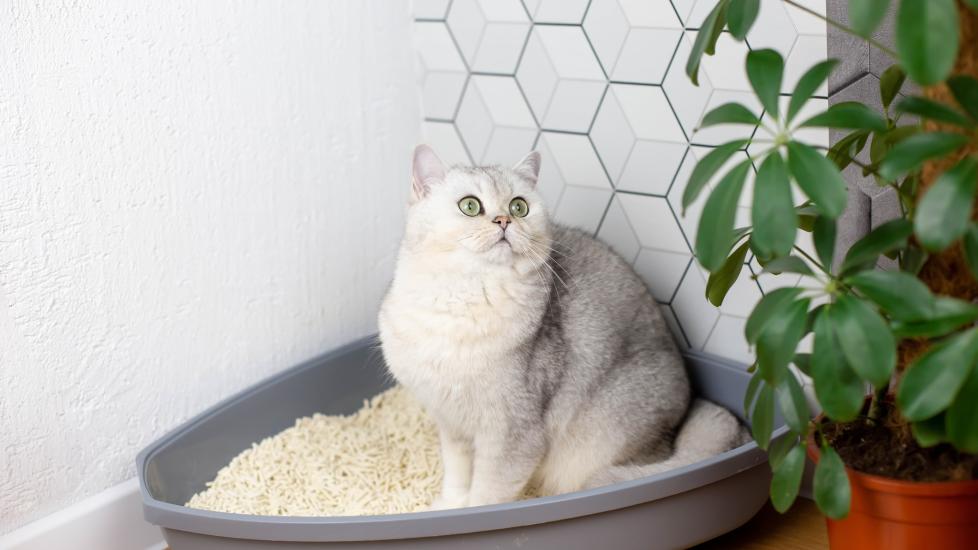
Natasha Zakharova/iStock/Getty Images Plus via Getty Images
When looking to adopt a cat, there are many things you might consider, such as age, gender, and breed. But it’s also important to know if your potential adoptee has been declawed.
If you are adopting a declawed cat, you may not know that they have different litter needs than a cat who has claws on all four paws. Choosing the right litter before bringing your new kitty home can help them be more comfortable and use the litter box consistently, which will benefit both of you. Here’s what to know.
Key Takeaways
- Declawing a cat can cause litter box avoidance due to paw pain.
- The best litter for declawed cats is one with small particles and a soft texture.
- Always talk with your veterinarian if your declawed cat isn’t using the litter box.
What Is Declawing?
In brief, declawing a cat is when the cat’s claws are removed, but it also involves cutting away the third bone of each toe that’s attached to the claw. This is similar to removing the tip of a human finger down to the first knuckle.
Cats may be declawed on either two (usually the front) or all four paws. Declawing is most often done to:
-
Prevent damage to furniture and other objects from normal scratching behaviors
-
Prevent injury to people from cat scratches
However, declawing is beginning to be recognized as a detrimental practice that comes with potentially negative effects. The procedure is banned in a handful of U.S. states and cities, and major veterinary organizations including the American Veterinary Medical Association (AVMA) and American Animal Hospital Association (AAHA) discourage it.
Why the Litter Box Can Be a Challenge for Declawed Cats
Declawing surgery can cause pain immediately after surgery, but it can also cause chronic pain. This makes using traditional clay litter uncomfortable for declawed cats because its large, firm particles can get stuck between their already painful toes.
Even if your declawed cat doesn’t develop chronic pain in their toes, the memory of pain when using the litter box during recovery can make them fearful or anxious. As such, they may shy away from the litter box and choose to eliminate in other locations, such as on rugs, carpets, bedding, or clothing.
The Best Litter for Declawed Cats
If you decide to adopt a declawed cat, choosing a softer, non-pelleted litter may help them use the litter box more comfortably.
Litter made from softer materials should be easier for cats with potential foot pain to walk on, and smaller particle sizes will be less likely to become trapped between a declawed cat’s toes. Additionally, larger particle sizes (common with many pelleted litters) create uneven walking surfaces that may be difficult for declawed cats to navigate.
Grass Seed Cat Litter
A grass seed cat litter, such as Frisco Natural Lightly Scented Clumping Grass Cat Litter, has smaller particles and a soft texture. This makes it one of the best litters for declawed cats.
Along with being gentle on declawed toes, this litter has all the benefits of traditional clay litter in that it’s clumping and odor-absorbing.
Fine-Particle Cat Litter
Another cat litter for declawed cats is fine-particle litter, such as Dr. Elsey's Paw Sensitive Clumping Clay Cat Litter. It’s a soft-texture clay option with smaller particles.
Like the grass seed litter and other clay litters, this product is also clumping and odor-absorbing.
What To Do if Your Declawed Cat Won’t Use the Litter Box
If your new family member won’t use the litter box, do not punish them for pooping or peeing outside the box. This includes yelling, hitting, or using spray bottles on your cat, which will only make them more fearful of you and of the litter box.
Here’s what to do instead:
-
Use positive reinforcement to encourage your declawed kitty to use the litter box. You can do this by making the litter box more attractive to them and by praising and rewarding them for using the litter box properly with high-value treats, petting, or play sessions—whatever your cat prefers most.
-
Try a high-quality litter attractant, like Dr. Elsey’s Precious Cat Ultra Litter Attractant. Simply sprinkle it on top of your chosen litter.
-
Ensure your cat’s pain is controlled. Speak with your veterinarian about cat pain medication to address discomfort. Joint supplements such as Nutramax Cosequin and VetriScience GlycoFlex can also be helpful for declawed cats with joint issues related to the surgery.
Though not unique to declawed cats, you can also ensure the litter box meets a few criteria related to location, ease of access, and cleanliness to make sure your cat will use it consistently.
These include:
-
Making sure there is at least one litter box available on each floor of the home
-
Scooping the litter boxes at least once per day and deep-cleaning them every couple of weeks
-
Placing the litter boxes far enough away from loud appliances
-
Making sure the litter boxes aren’t close to food and water dishes
As a last resort, when all other potential causes of litter box avoidance have been addressed, you can look into absorbent pads for your cat to use, such as the reusable Pet Parents Pawtect Pads Washable Pee Pads.