What To Feed a Cat with Pancreatitis



Chewy
Pancreatitis in cats is a condition where the pancreas become inflamed. The organ helps with digestion and controls blood sugar levels. When it’s inflamed, cats often lose their appetite, which can lead to dehydration. Feeding the right food is important to help your cat get enough nutrition without putting extra stress on the pancreas.
Always speak with your veterinarian before changing your cat’s diet. They will recommend the best diet for your cat, especially if your cat has pancreatitis.
Key Takeaways
- Cats with pancreatitis should eat a high-protein, low-fat diet.
- Wet food is preferred over dry food for cats with pancreatitis, due to its high moisture content and easily digestible protein.
- High-fat and high-sugar foods, highly processed treats, and dairy items should be avoided in cats with pancreatitis.
What Is a Cat Pancreatitis Diet?
Cats with pancreatitis need a special diet to help support the pancreas and encourage appetite. The right food can reduce inflammation and help the pancreas heal.
It’s also important to make sure your cat keeps eating. If they stop eating, they’re at risk for hepatic lipidosis, a serious condition where fat builds up in the liver and can become life-threatening.
A typical diet for a cat with pancreatitis includes:
-
Easily digestible protein to reduce straining on the digestive system
-
Low to moderate fat to help prevent flare-ups
-
Omega-3 fatty acids to help reduce inflammation
-
Limited carbohydrates to support overall digestive health
-
Plenty of moisture, with wet food often recommend to keep your cat hydrated
What To Feed a Cat with Pancreatitis
Feeding the right diet can help your cat recover from pancreatitis. Your veterinarian can recommend the best food based on your cat’s specific needs and health condition.
Best Wet Cat Food for Pancreatitis
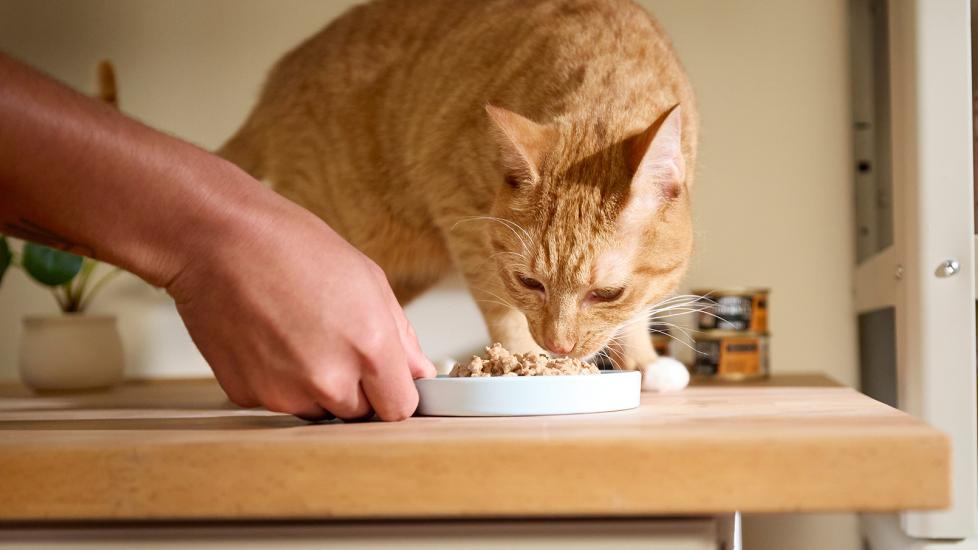
Wet food is ideal for cats with pancreatitis for a few reasons:
-
It’s highly palatable and enticing for cats with reduced appetites.
-
It has high moisture content, so it helps protect against dehydration, especially when cats are less inclined to eat or drink.
-
It’s high in easily digestible protein.
A couple of great options for wet food for cats with pancreatitis are Hill's Prescription Diet i/d Digestive Care Chicken & Vegetable Stew Wet Cat Food and Purina Pro Plan Veterinary Diets EN Gastroenteric Wet Cat Food.
Best Dry Cat Food for Pancreatitis
Dry cat food is not the best option for cats with pancreatitis because it’s high in carbohydrates and fat. Also, the proteins within it are not as easily digestible as wet food.
However, some cats may only eat dry kibble. If this is the case, add a little bit of water to the dry food to increase the moisture content.
One example of a dry cat food that may be used in cats with pancreatitis is Purina Pro Plan Veterinary Diets EN Gastroenteric Feline Formula Dry Cat Food.
Best Prescription Cat Food for Pancreatitis
Two additional prescription cat diets for pancreatitis are Royal Canin Veterinary Diet Gastrointestinal Fiber Response Thin Slices in Gravy Wet Cat Food and Hill's Prescription Diet Gastrointestinal Biome Digestive/Fiber Care Chicken & Vegetable Stew Wet Cat Food.
Best Non-Prescription Cat Food for Pancreatitis
Non-prescription cat foods that are low in fat and high in protein can also be reasonable choices for cats with pancreatitis.
Ask your vet about Nulo Freestyle Shredded Variety Pack Canned Cat Food.
Supplements
Supplements may be recommended to support healing in cats with pancreatitis.
A couple of options that may be beneficial:
-
A pancreatic enzyme concentrate such as PancrePlus, which adds pancreatic enzymes to help with digestion
-
Vetoquinol Triglyceride Omega-3 Fatty Acid Liquid Supplement, which reduces pancreatic inflammation
Human Foods
Cats with pancreatitis should only eat food recommended by a veterinarian. Don’t ever give them human food or table scraps, as these can make the condition worse.
Many human foods—like turkey skin—are high in fat or carbs, which can slow healing and increase inflammation in the pancreas.
Homemade Cat Food
It’s recommended to feed cats with pancreatitis an Association of American Feed Control Officials (AAFCO)-approved diet specifically formulated for digestive support, rather than a homemade diet.
Homemade diets can be missing crucial ingredients to support a cat’s overall health, and if they’re nutritionally unbalanced they can actually worsen the pancreatitis and prolong recovery.
Tips for Feeding a Cat with Pancreatitis
When a cat has pancreatitis, it can be difficult to get them to eat their meals. There are several ways pet parents can entice their cats to eat, including:
-
Serving small, frequent meals instead of one large meal
-
Warming up the wet food instead of serving it directly from the can
-
Feeding meals in a quiet, stress-free area
-
Using food puzzles
-
Adding a small amount of unsalted chicken broth to dry kibble
What Not To Feed a Cat with Pancreatitis
Certain foods can make pancreatitis worse and should be avoided, especially if your cat has been diagnosed with the condition:
-
High-fat foods like bacon, cream cheese, or anything fried put extra strain on the pancreas
-
Dairy products such as cheese or milk are hard for cats to digest and are often high in fat and sugar, which can lead to vomiting or diarrhea
-
Highly processed treats, like Temptations, are high in fat, salt, and carbs—all of which make the pancreas work harder
- Sugary foods like honey or baked goods increase inflammation and delay healing
What To Feed a Cat with Pancreatitis FAQs
Can a cat recover from pancreatitis with the right diet?
Yes, some cats may recover from pancreatitis simply by changing to a special diet. To support healing, these diets are high in protein and low in fat and carbohydrates.
What can I give my cat for pancreatitis at home?
Always talk to your veterinarian before giving your cat any food or supplements. There are no proven home remedies that can treat pancreatitis in cats, and giving the wrong thing can make the condition worse.
Is tuna OK for cats with pancreatitis?
It is not advisable to feed tuna to cats with pancreatitis. It’s not nutritionally balanced and can worsen symptoms.
Is chicken OK for cats with pancreatitis?
Chicken is safe for cats with pancreatitis because it’s high in easily digestible protein.