Singapura



Robert Nieznanski/iStock/Getty Images Plus via Getty Images
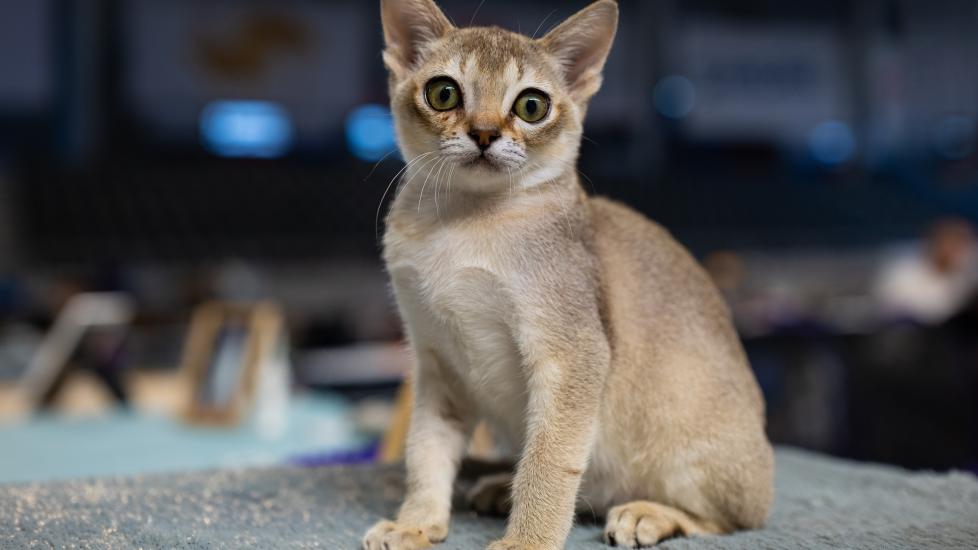
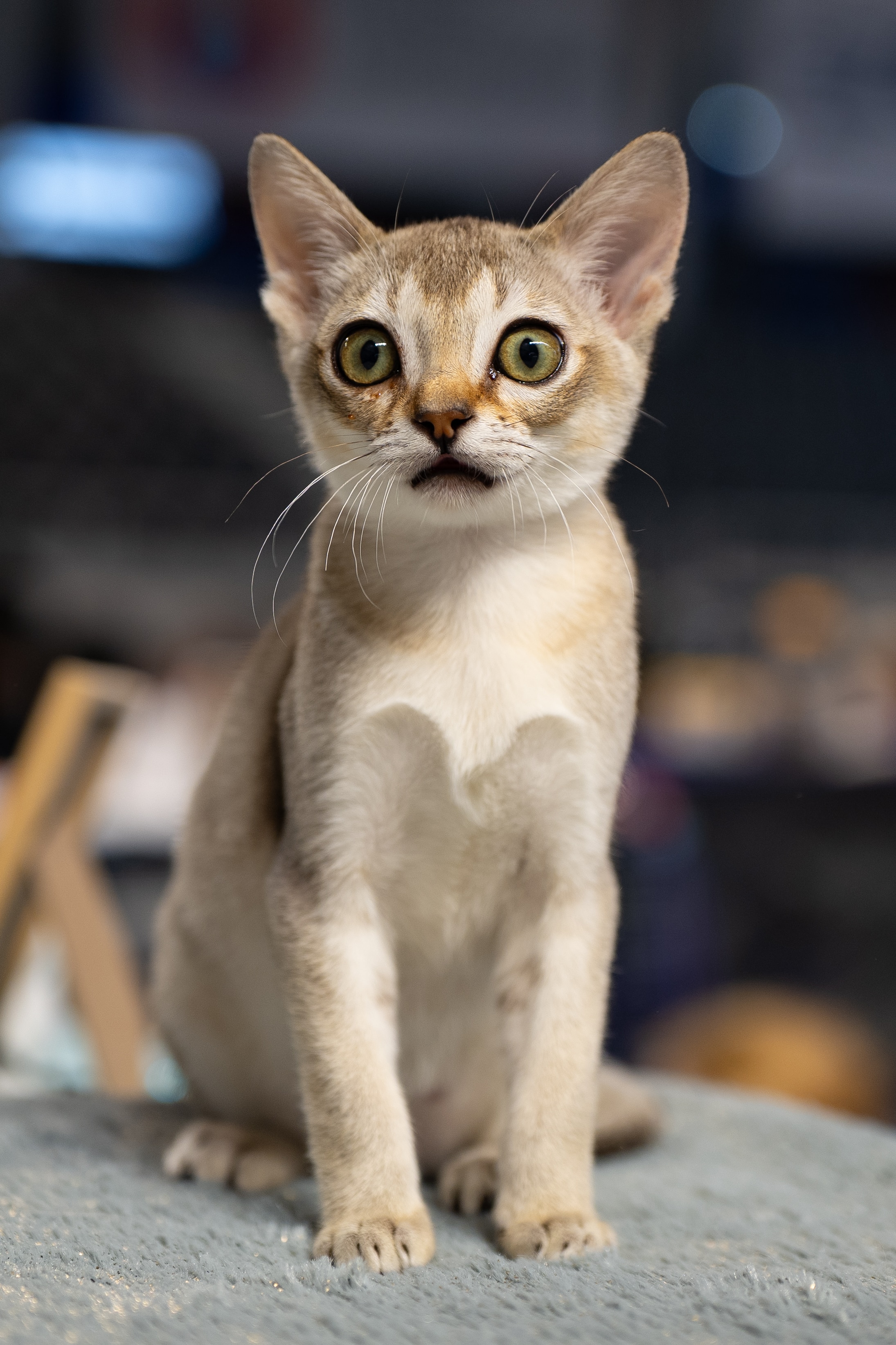
At just 4–8 pounds, the Singapura is the smallest domestic cat breed, but their personality is anything but tiny. Lively, curious, and highly extroverted, these pint-size cats often have twice the energy of many larger cat breeds.
The Singapura is said to have first been brought from Singapore to the U.D. in 1975 by American breeders Hal and Tommy Meadow. However, the breed's origins are debated: The Singapore Tourism Board speculates that native Singapore street cats were taken to the U.S. earlier, where they were crossbred with Abyssinian and Burmese cats to create today's tiny, tick-coated breed.
Nonetheless, in 1991, the Singapura cat was appointed as the Singapore Tourism Board's mascot—a remarkable leap from the cat’s humble beginnings as the island’s street cats.
Caring for a Singapura
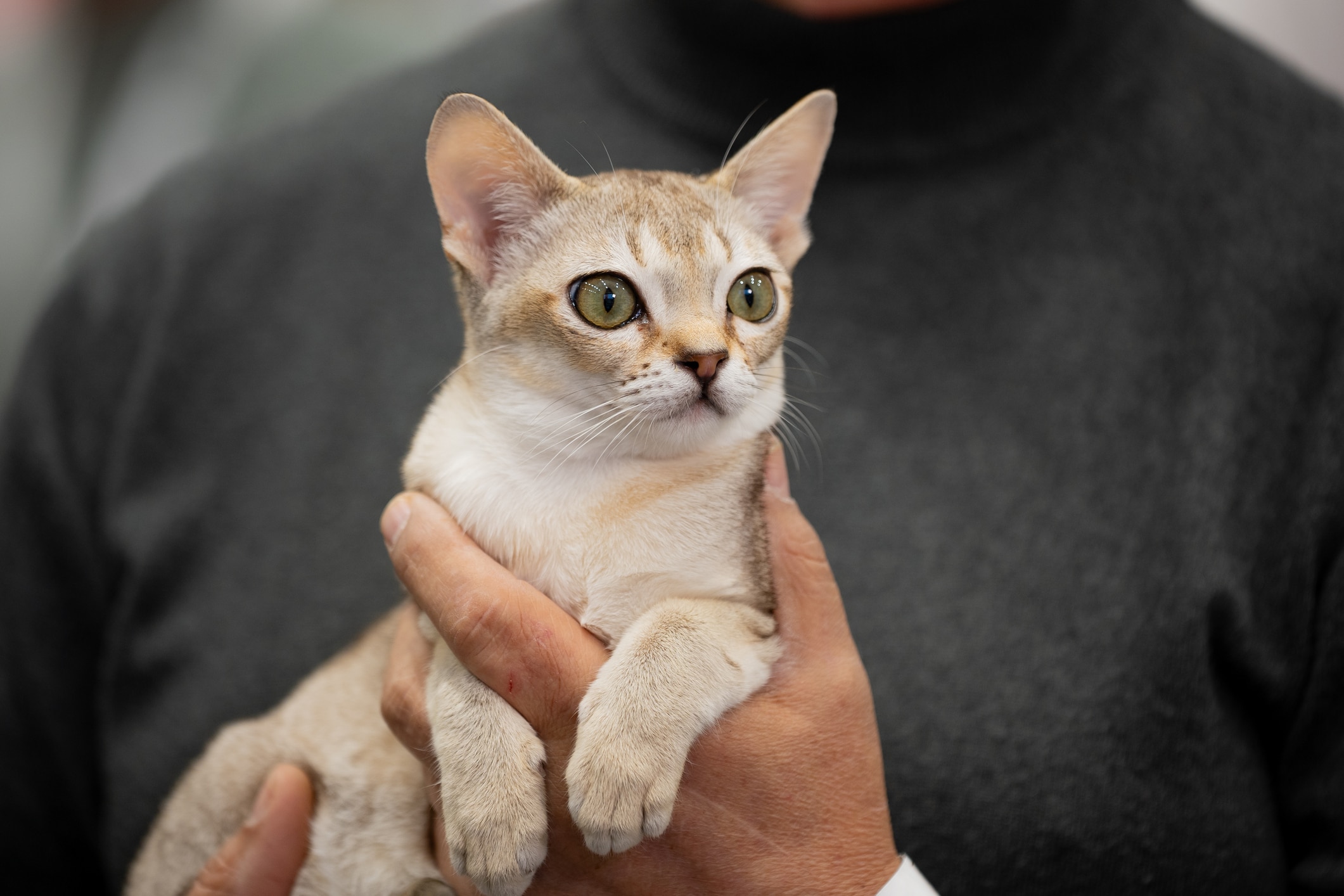
Singapura cats are tiny, weighing just 4–8 pounds and standing 6–8 inches tall at the shoulder. Females are typically smaller than males.
Rarely seeking solitude, the Singapura doesn’t just stay small—they retain a kitten-like energy, which can be a handful for some cat parents. They’re not shy about literally headbutting their way into your daily activities.
However, with plenty of mental stimulation, exercise, play, and cat-friendly vertical spaces to climb, this lively little breed can be an affectionate and endlessly entertaining companion.
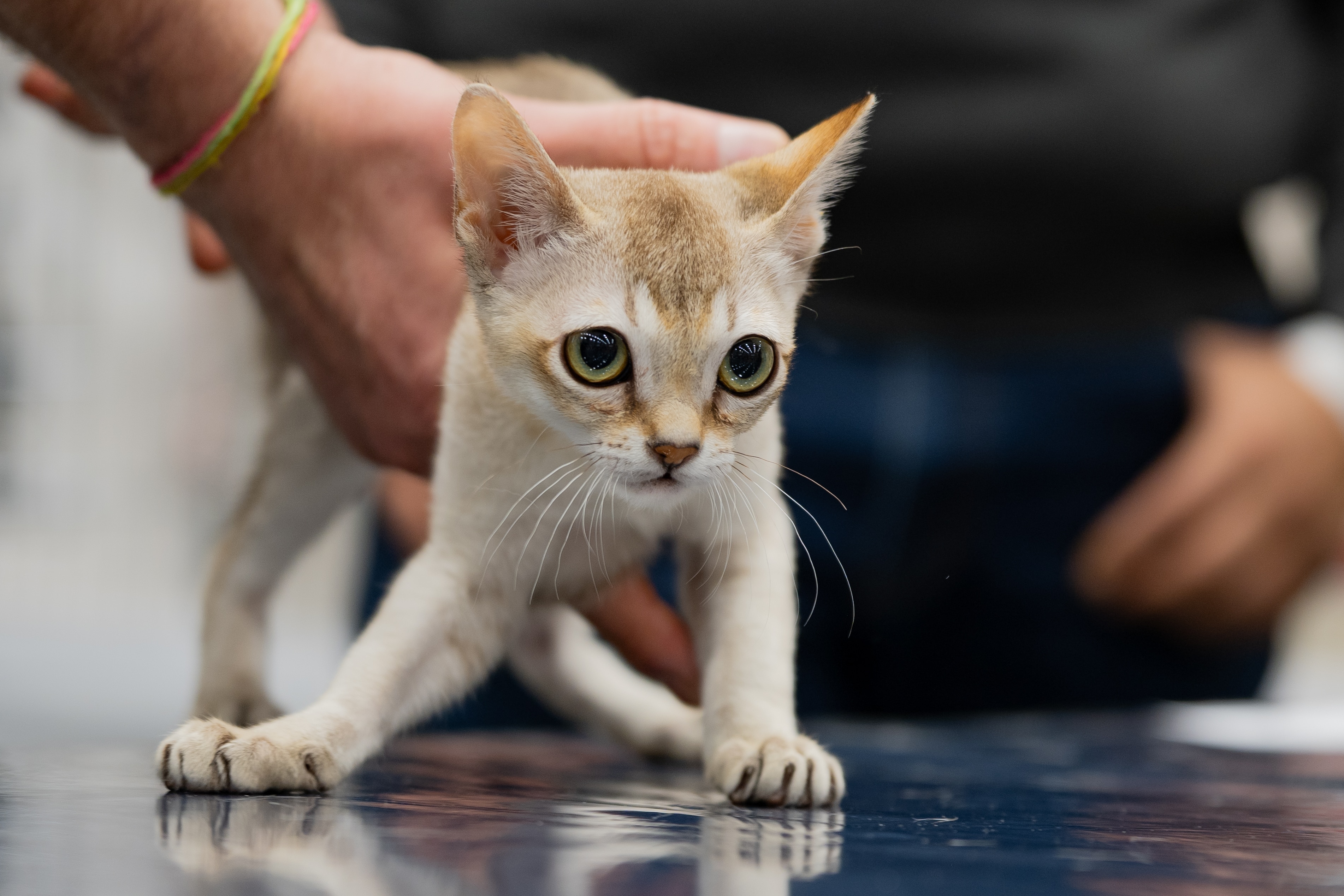
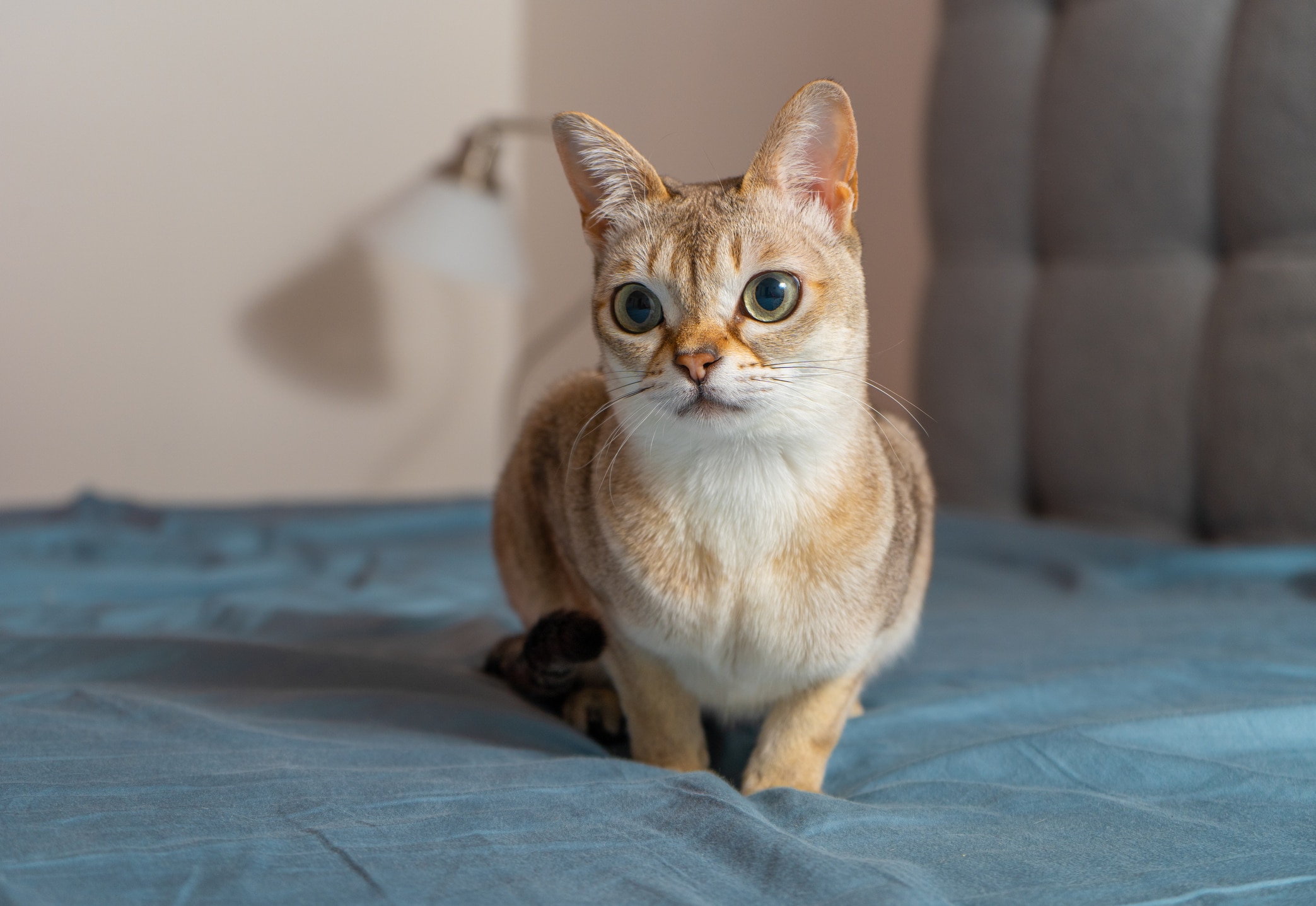
Their fur has sepia agouti ticking, which means each individual hair has two shades: ivory at the base of the hair and brown toward the tip. This makes the tiny Singapura look a bit like a miniature cougar.
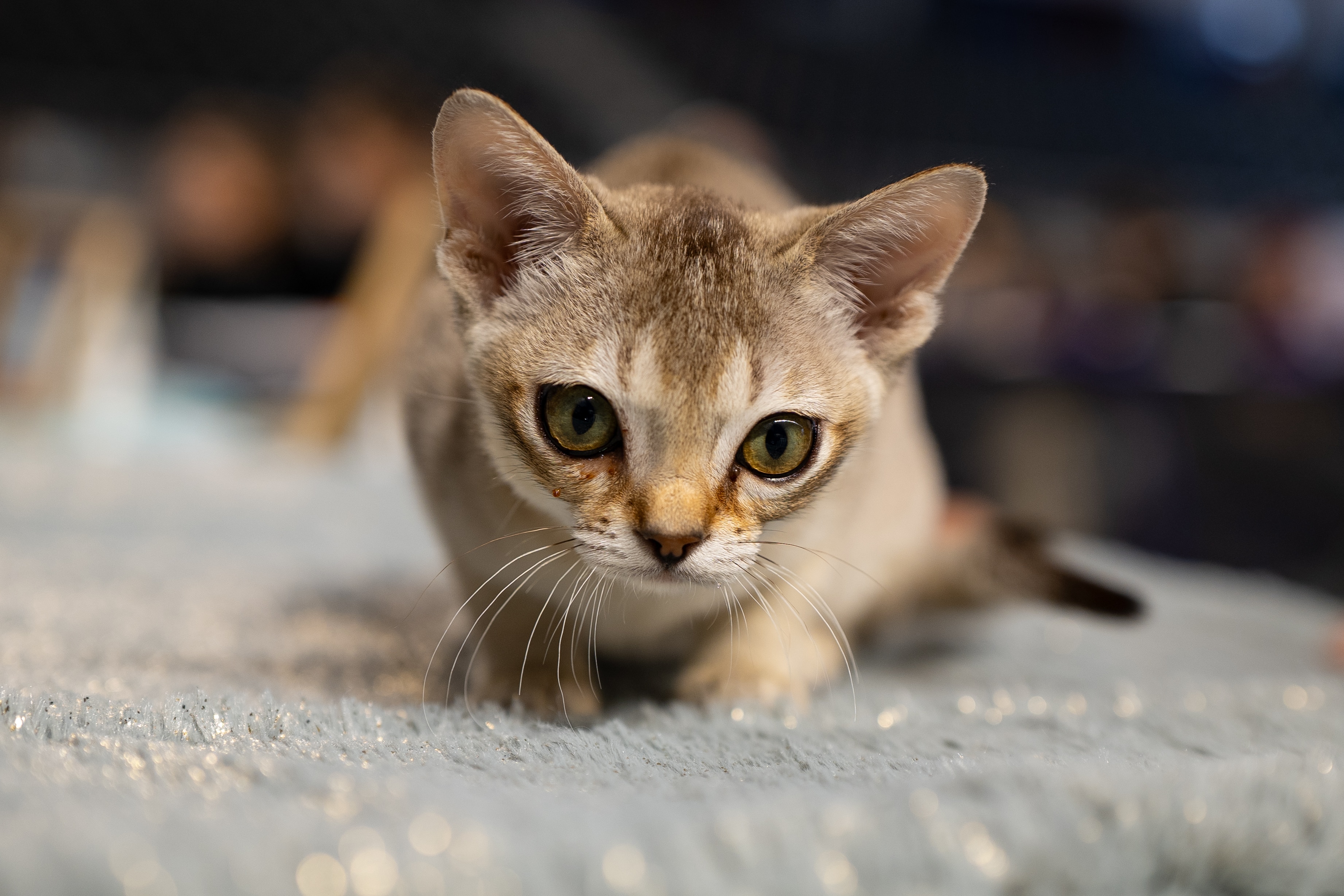
But with eyes as large as saucers, you could never mistake them for anything but the Singapura cat breed.
Singapura Health Issues
In addition to the upfront costs of adopting a cat or kitten, it’s important to consider long-term medical costs. Accidents and age-related illnesses can affect any cat, regardless of breed.
Investing in pet health insurance for your new kitten is a smart way to help shoulder the financial burden of unexpected veterinary bills.
That said, the Singapura is a relatively healthy cat breed with no known genetic conditions. Their average lifespan is 9–15 years. If you're purchsing a Singapura kitten from a breeder, choose a reputable one who prioritizes genetic health testing and maintains a healthy gene pool.
Here are some potential health issues your Singapura cat might face.
Obesity
While keeping your cat indoors at all times is important for their safety, indoor cats are prone to weight gain and obesity because they’re often less active, even with access to cat trees and perches.
The best way to manage your cat’s weight—and help them live a longer, healthier life—is by portioning meals to meet their daily calorie needs.
If you're unsure how many calories your cat needs, talk to your veterinarian. They'll assess your Singapura’s health and body condition score to help you create a tailored feeding plan.
Dental Disease
According to Cornell University, 50–90% of cats over age 4 are affected by dental disease. When left untreated, severe dental problems can cause pain, swelling, and inflammation, which may lead to difficulty eating, tooth loss, and even organ damage.
One of the best ways to prevent dental disease is by routinely brushing your cat’s teeth with a cat-safe toothpaste, such as poultry-flavored Virbac C.E.T. Enzymatic Toothpaste.
Your veterinarian may also recommend a dental-focused kibble, such as Hill’s Dental Care t/d, which reduces plaque-forming bacteria and uses the friction of chewing to help clean the teeth.
What To Feed a Singapura
Healthy Singapura cats and kittens don’t require a special diet. You also don’t have to overthink cat food ingredients because commercial cat foods with Association of American Feed Control Officials (AAFCO) statement on the label meet the nutritional requirements for your cat’s life stage (kitten, adult, or senior).
The best cat food for your Singapura will depend on their age, health, lifestyle, and preferences, as well as your own budget and lifestyle. Your veterinarian can help you decide what suits you and your cat best.
How To Feed a Singapura
Feed adult cats three small meals throughout the day: morning, afternoon, and evening. This mimics a cat’s natural hunting routine. If you’re away from home, an automatic feeder can help by dispensing set portions of wet or dry food on schedule.
To keep mealtimes engaging—especially for an active kitty such as the Singapura—try incorporating lick mats, puzzle feeders, or foraging toys into meal and snack times. They make mealtime more stimulating by tapping into a cat’s natural hunting and foraging instincts.
How Much Should You Feed a Singapura?
Rather than free-feeding your cat, measure out their meals using a measuring cup or a kitchen scale. Check the calorie content on the bag or can to make sure you’re serving the right amount.
If you’re unsure how much your cat should eat each day, your veterinarian can provide guidance.
Nutritional Tips for Singapura
A complete and balanced cat food supplies your Singapura with all the nutrients they require. That said, particular ingredients or supplements may be beneficial to cats with specific health needs.
If your cat has frequent hairballs, your veterinarian may recommend a high-fiber diet, such as Hill’s Science Diet Hairball Control, to help move hair through the digestive tract. A diet rich in omega fatty acids can also help by improving coat health and reducing shedding.
As cats age, arthritis and cognitive decline can become concerns. In these cases, your vet may recommend joint-support supplements or a diet high in antioxidants to support brain health and help protect against degenerative disease. Many senior cat food diets are formulated with these needs in mind.
Before adding anything new to your cat's diet, consult your veterinarian.
Behavior and Training Tips for Singapura
Singapura Personality and Temperament
Singapuras are playful, curious, and endlessly entertaining, but they’re also sweet-natured cats who form strong bonds with their human caregivers.
These social extroverts are happiest when they can be part of the action, whether that’s riding on your shoulder from room to room, sprawling across your keyboard, or simply snuggling up after playtime.
Singapura cats can thrive in single-person households (as long as they receive plenty of attention) or in busy families with children and other pets.
Singapura Behavior
Like any extrovert, the Singapura doesn’t like to be left alone for too long. While other pets, including cats and dogs, can make good companions, this breed thrives in households where there’s plenty of human interaction. Without it, these cats can get lonely.
Despite their high energy, Singapuras are gentle by nature. Still, like any cat, they may develop unwanted behaviors such as scratching furniture or excessive meowing if they’re feeling stressed or under-stimulated. When a Singapura does meow, however, it’s usually a soft, delicate sound that perfectly matches their petite stature.
>Anywhere but the floor is a Singapura’s favorite place to be. This means the kitchen counter, dining table, and other elevated surfaces can be especially tempting.
Many Singapuras, however, are just as happy perching on your shoulder, pouncing from cat tree to shelf, or even curling up beside you in bed.
Training
Encourage your cat to choose cat-friendly perches by offering alternatives like cat trees, and reinforcing the behavior you want with clicker training and positive reinforcement. Singapuras are smart cats who are eager to please, so training exercises are often one of their favorite activities to share with their humans.
Fun Activities for Singapura
-
Sunbathing on a window perch
-
Exploring vertical spaces
-
Birdwatching
-
Learning new tricks
-
Puzzle toys
-
Running on a cat wheel
-
Playing with other pets
Singapura Grooming Guide
Skin Care
Young, healthy cats are excellent self-groomers and typically don’t require additional bathing from their human caregivers.
However, as cats get older, have arthritis, or are overweight, it becomes difficult to reach all areas of their body. If you notice your cat's fur becoming oily, pet wipes such as Pet Parents Pet WiPees All Purpose Cat Cleaning Wipes can keep them clean without subjecting them to a bath.
Coat Care
Singapura cats have short, silky fur. While short-haired cats are generally easier to care for than long-haired ones because they don’t tend to easily knot or mat, their dander can still irritate those with allergies.
Their shedding isn't excessive, but brushing your cat once a week can help catch loose hairs before they end up around your home or on your clothing.
Eye Care
Singapura cats’ large eyes don’t require special care. But if you notice changes in their appearance (for instance, watery or brown discharge, redness, or cloudiness), take your cat to the vet for a checkup.
Ear Care
Singapura cats don't require special ear care. However, if you notice signs of an ear infection (an unpleasant odor, discharge, or irritation), take your cat to the vet.
Considerations for Pet Parents
Singapuras are small cats who love socialization and play. While their size might suggest they need less space, it's important to consider the energy level of a breed, rather than just their size.
Singapura cats love to climb and be up high, so while apartment living is perfectly feasible, they should have access to cat trees, perches, and shelves.
Before welcoming a Singapura into your home, make sure you can provide enough socialization, as they don’t enjoy spending the day alone.
>It’s often recommended to adopt or purchase two kittens to help prevent single kitten syndrome, which can lead to behavioral issues. Having a buddy will help keep your cat happy, even when you're not around.
Singapura FAQs
How much does a Singapura cat cost?
Singapura kittens typically start at $2,500 each from a reputable breeder.
When considering the cost of a kitten, it’s important to account for all upfront expenses, such as supplies, as well as ongoing costs like food, litter, and medical care. While it’s recommended to adopt two kittens rather than one, they don’t necessarily need to be the same breed.
Are Singapura cats good pets?
Yes, Singapura cats make excellent pets for those looking for a small cat with a kitten-like personality. They can live in both houses and apartments, as long as vertical space and toys are available. Whether in single-person or family homes, they thrive with plenty of social interaction.
Do Singapura cats shed a lot?
Singapura cats have short, silky fur that doesn’t shed a lot. But they’re not considered hypoallergenic cats, as their dander and saliva can still irritate those with allergies.