7 Signs of a Cat Allergic Reaction: Everything a Pet Parent Should Know



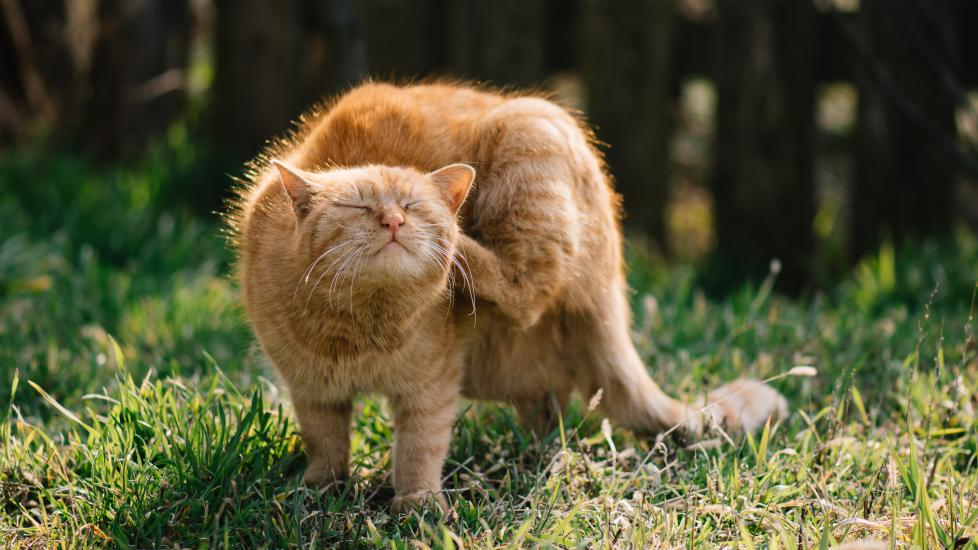
betyarlaca/iStock/Getty Images Plus via Getty Images
Just like people, cats can experience an allergic reaction known as a type I hypersensitivity reaction.
This happens when your cat’s immune system identifies a foreign substance as a threat and responds by releasing inflammatory chemicals, such as prostaglandin, cytokines, heparin, and histamine, leading to symptoms like redness, swelling, or itching.
Allergic reactions typically occur within seconds to minutes of exposure to the allergen, which can include insect stings or bites, food ingredients, chemicals, pollen, dust, and more.
Depending on the severity of the reaction, symptoms can be localized to a specific body region, such as the skin or gastrointestinal (GI) tract, or the entire body can be affected, having potentially significant and life-threatening implications.
While the cause of a cat allergic reaction may often be unknown, the treatment will always be focused on symptomatic care.
Cat allergic reactions are not that common.
However, because they can pose a significant risk, you should seek immediate medical attention if you think your cat is suffering from an allergic reaction.
Key Takeaways
- A cat allergic reaction occurs when a feline’s immune system identifies a foreign substance as a threat and responds by releasing inflammatory chemicals.
- Cat allergic reactions are not that common.
- Allergic reactions in cats will most likely occur within seconds to minutes and can include vomiting and/or diarrhea, hives, facial swelling, respiratory distress, pale gums, collapse, seizures, or even acute death.
7 Signs of Cat Allergic Reactions
Let’s look at the seven most common signs of an allergic reaction.
1. Itchy Skin and Scratching
Also called atopy or atopic dermatitis, itchy skin and scratching can occur when cats are sensitive to environmental allergies.
Affected cats may scratch excessively, leading to hair loss and bald patches, reddened or crusty skin, and secondary skin infections. This reaction may take time to develop.
2. Sneezing and Eye/Nasal Discharge
Sneezing and eye or nasal discharge—or allergic rhinitis—are less commonly seen allergy symptoms in cats. Allergic rhinitis is usually seasonal, so symptoms will come and go depending on the seasons.
3. Vomiting and Diarrhea
Often associated with a food allergy, vomiting and diarrhea may occur with blood or without blood and are often accompanied by nausea and drooling.
The most common food allergens in cats are beef and chicken. Food allergies can occur year-round; however, vomiting and diarrhea can also be symptoms of a whole-body allergic reaction.
4. Behavioral Changes
Cats suffering from allergies may show signs like decreased responsiveness or restlessness.
5. Facial Swelling and Hives
If you notice your cat’s fur standing up in different areas of the body, they may be suffering from hives resulting from an allergic reaction.
Hives can also be localized to the face, specifically around the eyes, which may be severe enough to affect vision. Facial swelling and hives often take a longer time to develop.
6. Difficulty Breathing
The first signs of a serious allergic reaction in cats include:
-
Pale gums
-
Increased respiratory rate
-
Abdominal breathing
-
Difficulty breathing (dyspnea)
-
Wheezing
These symptoms develop because a cat’s airway is constricted.
If your cat is showing any signs of breathing difficulties, seek immediate medical treatment.
7. Collapse
Possibly attributed to changes in blood pressure, collapse or seizures can occur in a cat suffering from a severe allergic reaction.
These symptoms warrant immediate medical care.
What To Do if Your Cat Is Having an Allergic Reaction
In general, you should seek veterinary attention if you think that your cat is suffering from an allergic reaction.
While some symptoms—like scratching or mild hives—don’t require emergency care, others—like breathing problems and collapse—do.
Because allergy symptoms are often unclear and can rapidly progress to become life-threatening, seeking immediate veterinary attention is important.
How Vets Treat Cat Allergic Reactions
Allergic reactions are often diagnosed based on the cat’s signs and symptoms and are treated supportively.
Blood pressure and blood work are often evaluated to guide treatment decisions.
As not all cases are obvious, it’s important that you notify the veterinary team about your cat’s medications, as well as any changes in diet or environment.
Depending on the severity of your cat’s reaction, your veterinarian may give a variety of medications—usually through an IV—to treat the symptoms. The medications most often used include:
-
Epinephrine. A vital medication, epinephrine helps to open the airways. It also decreases swelling and increases heart contractions.
-
Steroids. Prednisolone, depo-medrol, and other anti-inflammatory medications help with the long-term effects of swelling and inflammation.
-
Antihistamines. Diphenhydramine and famotidine act against histamine, an inflammatory mediator, and are commonly used to reduce some of the GI and skin symptoms associated with allergic reactions.
-
Bronchodilators. Terbutaline and aminophylline help to open constricted airways.
Additional therapies include:
-
Oxygen
-
IV fluids
-
Anti-nausea medications
-
Anti-diarrheal medications
In rare cases, your cat may require a breathing tube to keep the airway open and facilitate easier and effective breathing.
Cats that have an allergic reaction are often recommended to stay hospitalized for one or two days as symptoms may reoccur or worsen.
How To Prevent Cat Allergic Reactions
Unfortunately, cat allergic reactions are difficult to prevent, especially if you don’t know what your cat is allergic to. The naturally curious behavior of cats can make it even more difficult.
However, you can mitigate your cat’s risk by:
-
Keeping your cat indoors.
-
Asking your veterinarian:
-
To discuss medication side effects when prescribed
-
What he or she would recommend in the event of an emergency (for instance, for cats with allergic skin disease, bathing her right away may be recommended)
-
The risks and benefits of splitting vaccines and/or pre-medicating with diphenhydramine prior to vaccination
-
-
Inspecting your cat often. Sometimes you may find evidence, such as a small bump, insect stinger, or puncture wounds while brushing or combing your cat and can seek medical attention right away.
-
Avoiding known allergens entirely. Allergic cats will be more prone to reacting with each exposure and can do so more violently each time.
-
Maintaining strict flea control. Keep your cat on a flea and tick medication year-round to prevent flea allergy dermatitis.
- Keeping your cat on their veterinary diet (if recommended).
Cat Allergic Reaction FAQs
What are the symptoms of an allergic reaction in cats?
The symptoms of an allergic reaction in a cat are individual and variable; however, they will most likely occur within seconds to minutes of the incident and can include vomiting and/or diarrhea, hives, facial swelling, respiratory distress, pale gums, collapse, seizures, or even acute death.
How do I treat my cat’s allergic reaction?
First and foremost, stay calm! An allergic reaction can be life-threatening, and your cat requires immediate veterinary attention.
If possible, and you’re able to do so safely, remove the inciting cause from your cat, and take your cat to the nearest emergency veterinary hospital right away.
Call the veterinary hospital ahead of time so they can be prepared to treat your cat when you arrive.
Can I give my cat anything for an allergic reaction?
Unless prompted by your veterinarian, it’s not recommended to give your cat anything during an allergic reaction, as it may affect treatment and/or potentially worsen the outcome.
Seek veterinary medical attention immediately.