Rottweiler



iStock/Ideas_Studio
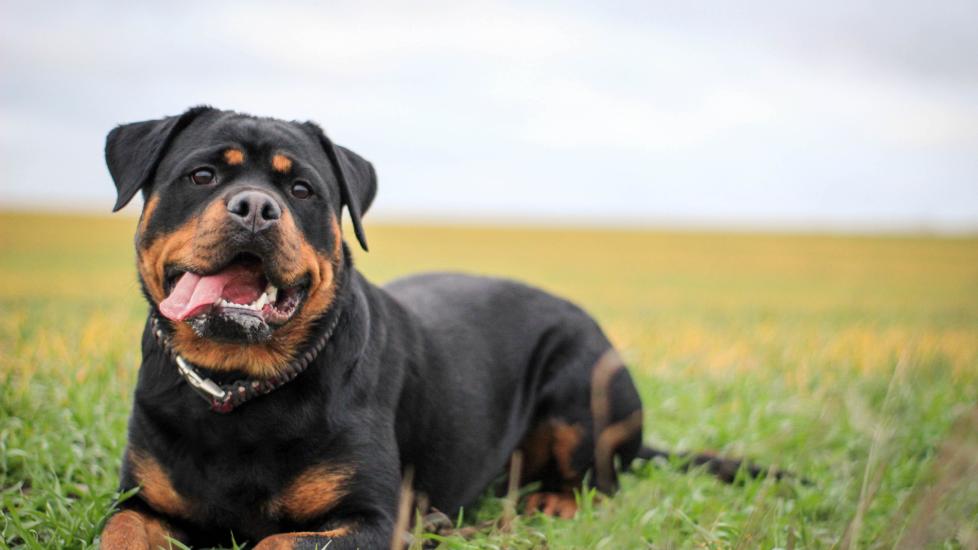
Rottweilers are a large dog breed with a broad head, short fur, and wide-set eyes. Members of the working group, Rottweilers are thought to be descendants from mastiffs of ancient Rome. Today, they’re one of the most popular dog breeds in the U.S.
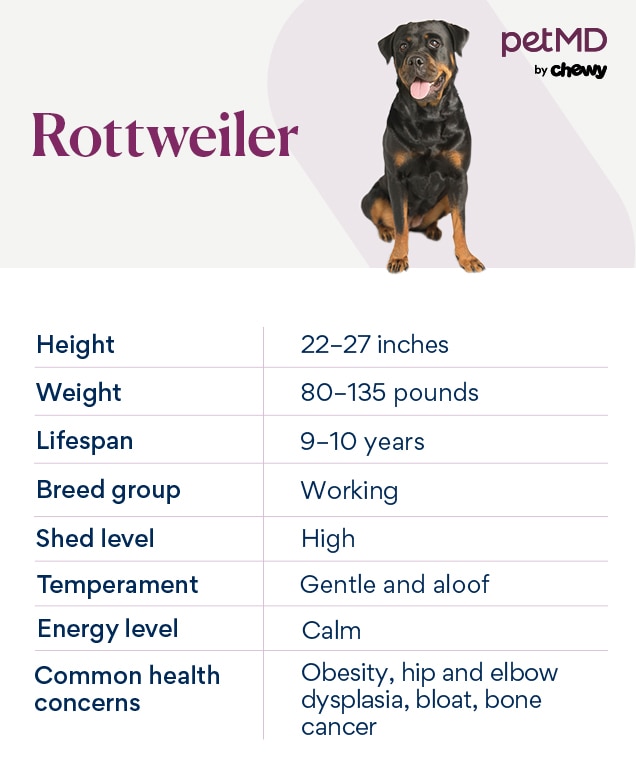
This breed stands 22–27 inches tall and weigh 80–135 pounds. Female Rottweilers are typically smaller than males. The typical Rottweiler lifespan is 9–10 years with proper care.
Caring for a Rottweiler
Caring for a Rottweiler requires knowledge about their grooming, dietary, exercise, and mental health care requirements, as well as their potential for health problems.
How Much Exercise Does a Rottweiler Need?
Rottweilers need at least 60 minutes of exercise every day. This can be walks around the neighborhood, hikes, dog sports, and backyard playtime.
Without enough exercise, Rottweilers can easily become bored. They must receive enough mental stimulation to stay engaged and prevent unwanted behaviors (like chewing your furniture).
Do Rottweilers Shed a Lot?
A Rottweiler’s short black and tan coat sheds heavily year-round. You’ll need to groom your dog throughout the week to stay on top of the flying fur.
Rottweiler Temperament and Personality
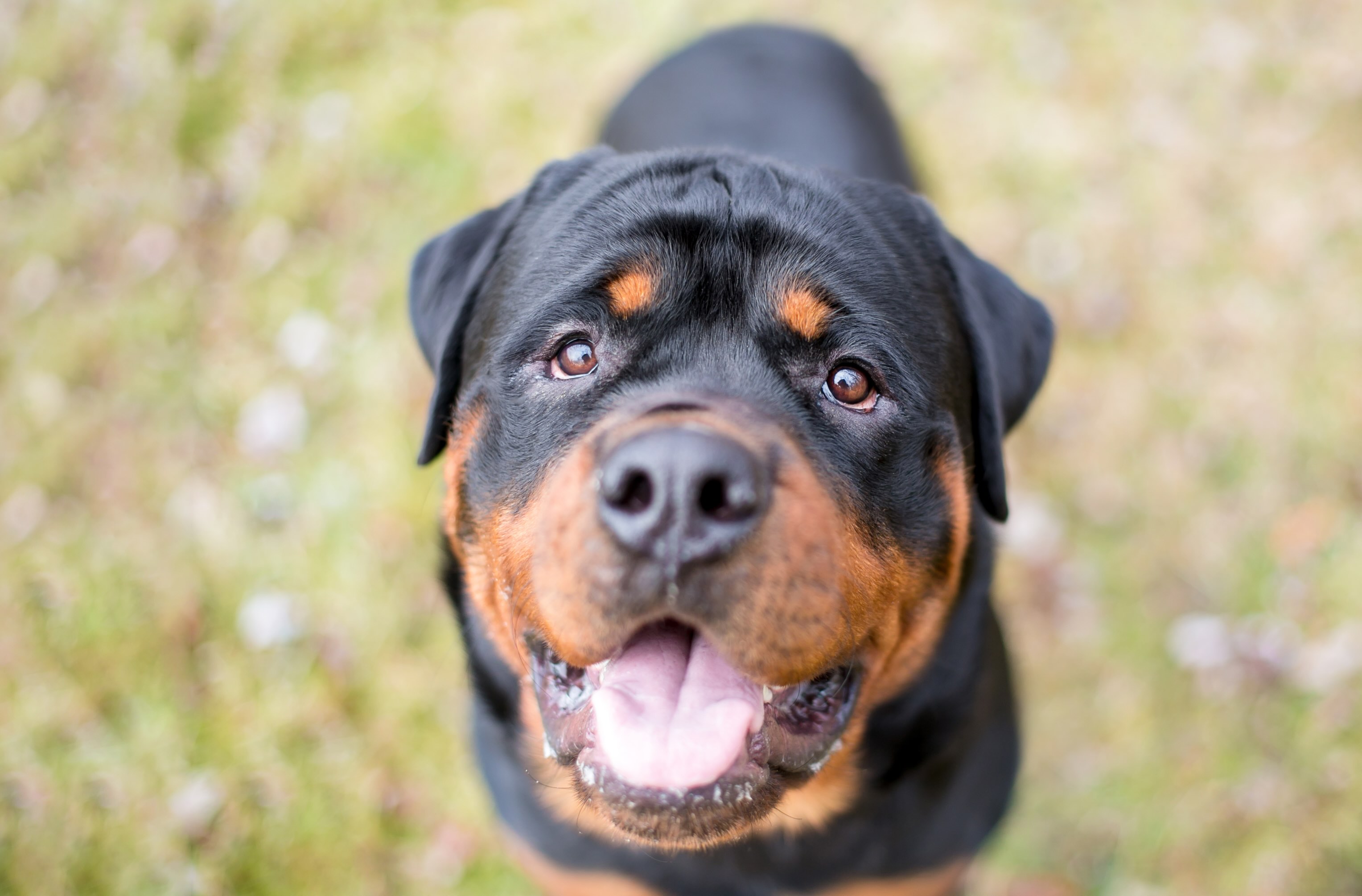
The typical Rottweiler temperament ranges “from natural clowns, affectionate to almost everyone, to the very reserved one-person dog,” according to the American Rottweiler Club (ARC). Each dog is an individual, and breed only makes up about 9% of any dog’s overall behavior.
This breed was originally bred as a working and guardian dog. This means they may develop a barking habit whenever they’re in an unfamiliar situation or meeting a new person.
Are Rottweilers Good With Kids?
Rottweilers make great family dogs and are often gentle with children. Like all dogs, they need to be trained and socialized from an early age, and kids at home need to learn how to interact with dogs appropriately.
Rottweilers are generally quiet, gentle, and calm dogs. According to the ARC, the breed is known to follow their pet parents around the house and desires close companionship.
Training and Behavior Tips for Rottweilers
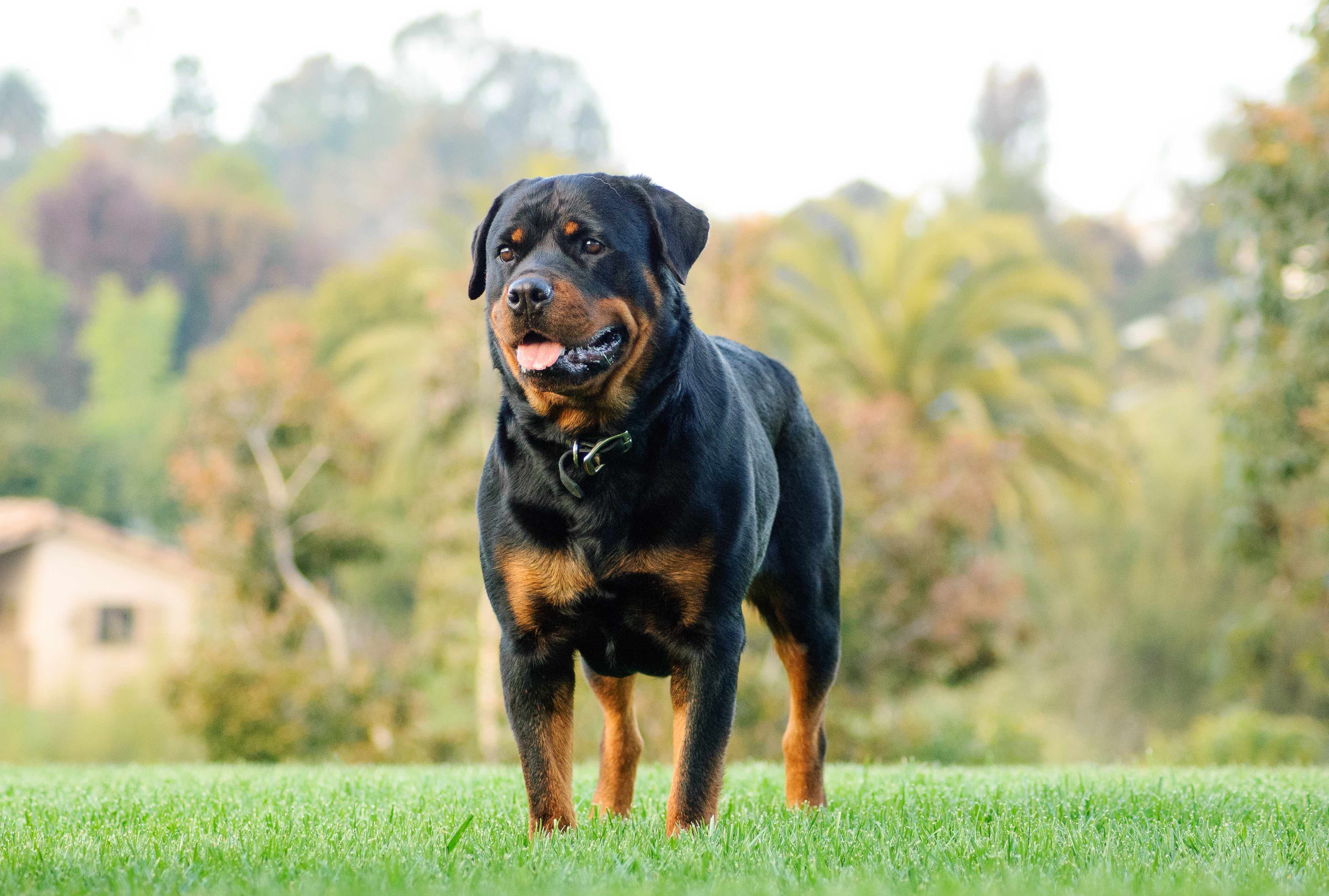
Socializing your Rottweiler puppy early and consistently is vital to having a well-mannered dog. Always use positive reinforcement and rewards when your dog is well behaved.
Are Rottweilers Easy to Train?
Because Rottweilers are smart and eager to please their humans, they learn new commands very quickly. Again: Positive reinforcement is the recommended training method for all dogs, as it provides consistent and long-lasting behavioral memory.
Begin socializing your Rottweiler puppy as soon as you bring them home, and continue introducing them to new environments, people, and animals throughout their life. This will help your pup learn that new things don’t need to be scary.
What Are Fun Activities for Rottweilers?
-
Tracking
-
Hiking
Rottweiler Health Issues
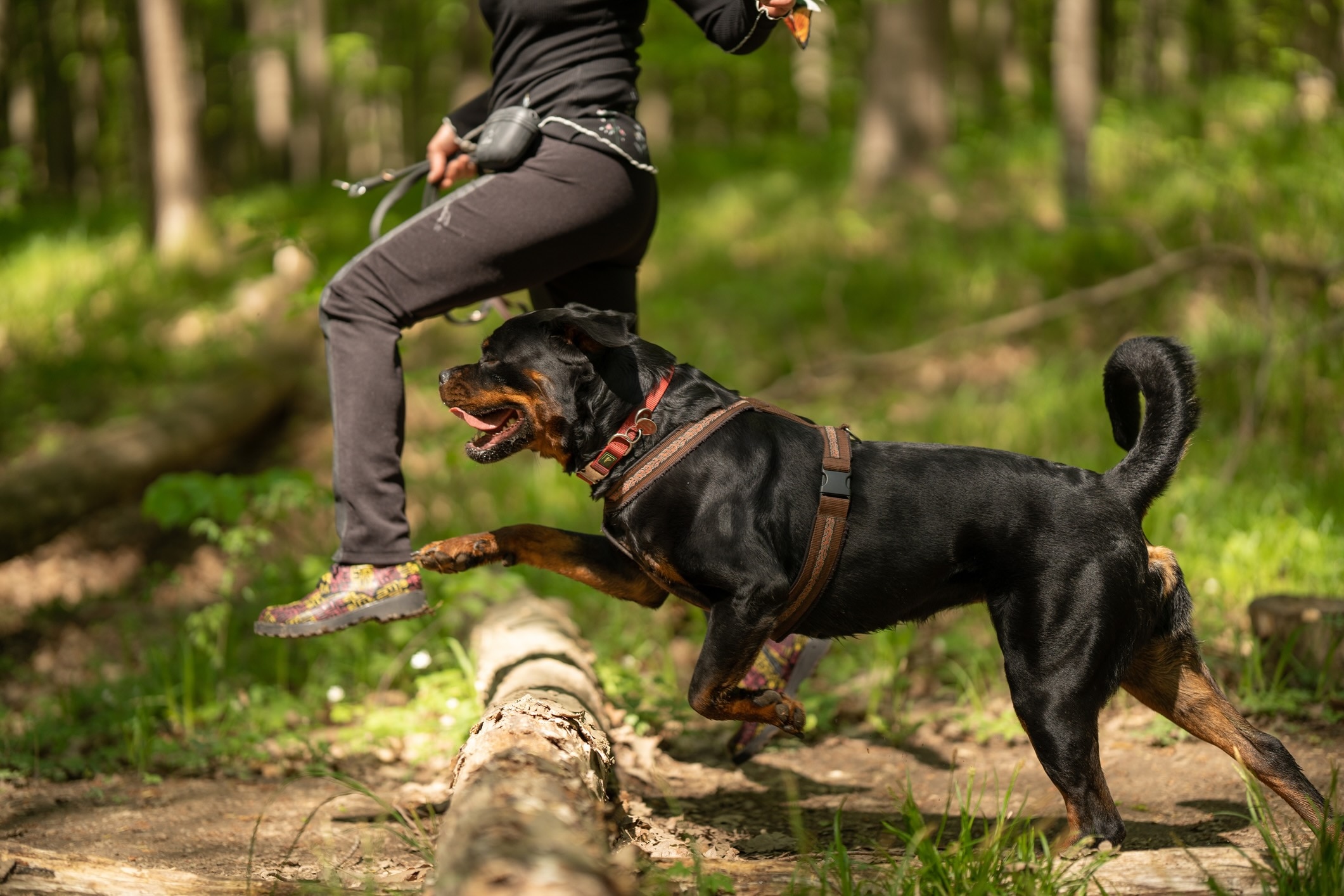
Rottweilers can be prone to many health problems. Routine veterinary exams are essential for keeping this breed healthy, and pet insurance may be a good investment when bringing home a Rottweiler puppy.
Obesity
Rottweilers are prone to obesity, so pet parents need to be diligent about their dog’s mealtimes and portion sizes. Ask your veterinarian about the best food for your Rottie and how much they should eat every day.
Your veterinarian can help you determine the best weight management plan for your dog. This includes monitoring your dog’s diet and exercise routines as well as their treat intake, and ensuring they don’t eat table scraps or another pet’s food.
Obesity in dogs can lead to many other health problems (or make existing problems worse), so it’s essential your Rottweiler stays at a healthy weight.
Hip and Elbow Dysplasia
Rottweilers are known to experience elbow dysplasia and hip dysplasia.
-
Elbow dysplasia affects the elbow joint, with symptoms including swelling, lameness in the forelimbs, abnormal gait, and an elbow bulging to the side.
-
Hip dysplasia is when the hip joint becomes loose, causing lameness, limping, a cracking or popping sound from the joints, and a bunny-hopping gait.
Both conditions can lead to arthritis if not properly treated. Some dogs may need surgery, while others do well on medical management with pain medication, joint supplements, and/or weight loss.
Cranial Cruciate Ligament Rupture
A dog’s cranial cruciate ligament (CCL) is similar to a human’s anterior cruciate ligament (ACL). Due to their large size and high energy levels, Rottweilers commonly rupture their CCLs—just like humans tear their ACLs.
This injury is best treated with orthopedic surgery, followed by lifelong joint supplements and physical therapy.
You can reduce your Rottweiler’s risk of a CCL rupture by:
-
Avoiding high-impact activities (such as running on hard surfaces or playing tug-of-war)
-
Maintaining a healthy weight
-
Engaging in low-impact exercise (like walking, swimming, and nose work)
Osteosarcoma
Osteosarcoma is a painful, metastatic, and aggressive bone cancer that Rottweilers are predisposed to. If you see any signs of swelling, pain or lameness in your Rottweiler, take them to your veterinarian for an evaluation as soon as possible.
Osteosarcoma is usually diagnosed through a physical exam and radiography. It can be treated effectively if it’s diagnosed at a very early stage.
Gastric Dilatation-Volvulus (GDV)
Rottweilers are also predisposed to gastric dilatation-volvulus (GDV), a severe case of bloat in dogs, because of their deep chests and relatively narrow abdomens. GDV occurs when the stomach bloats with gas or food material. This swelling allows it to rotate, blocking bloodflow to major abdominal organs.
GDV is fatal if not treated immediately. Go to the vet or emergency veterinarian clinic ASAP you notice any signs of GDV, which include:
-
Inability to settle/get comfortable
-
Decreased appetite
-
Drooling
-
An enlarged abdomen
-
Retching without vomiting
A preventative gastropexy procedure is often recommended by veterinarians to pet parents of at-risk breeds. Talk to your veterinarian about performing a gastropexy during your Rottweiler’s spay or neuter surgery.
Entropion
Entropion is a common eyelid condition in which the eyelids curl inward. This causes the eyelashes to point toward—and rub against—the cornea (the eye’s outer layer).
Unless this condition is surgically treated, entropion causes constant eye irritation and excessive tearing. It can also increase the risk of corneal ulcers and eye infections.
Subaortic Stenosis
Heart murmurs are abnormalities that a veterinarian may find during your Rottweiler’s physical exam. This condition may be caused by subaortic stenosis (SAS), which can lead to sudden death, especially in undiagnosed, untreated puppies.
If a veterinarian diagnoses your dog with any cardiac abnormalities, consult with a veterinary cardiologist as soon as possible. Some cardiac diseases can be managed with lifelong oral medications.
What To Feed a Rottweiler

The first rule of feeding any dog, including a Rottweiler, is to offer food that matches their life stage. A puppy should be fed a puppy food, an adult dog should be fed an adult dog food, and a senior dog should be fed a senior dog food.
The Best Diet for Rottweiler Puppies and Dogs
Choose a dog food that is approved by the Association of American Feed Control Officials (AAFCO).
Some pet food companies have even developed diets specifically for Rottweilers, and these are generally appropriate. Your veterinarian can help you choose the best food option for your dog.
Feeding a puppy diet is recommended until your Rottie reaches 12 months of age, then transition them to an adult formula.
How To Feed a Rottweiler
Rottweiler puppies should be fed three to four times a day to prevent hypoglycemia (low blood sugar). They also require calories sufficient for growth and metabolism maintenance.
Adult Rottweilers can be fed two times a day. It’s important to stick to measured, scheduled feedings to help stave off obesity. Feeding your Rottie multiple meals also helps prevent bloat and GDV, which have a higher chance of occurring if your dog eats one large meal per day.
Other tips for avoiding life-threatening GDV include:
-
Avoiding elevated food bowls
-
Not exercising your Rottweiler immediately before or after a meal
-
Trying a slow feeder bowl if your dog is eating too much, too quickly
How Much Food Does a Rottweiler Need?
Appropriate caloric intake is important to keeping your Rottweiler at a healthy weight.
Your AAFCO-approved dog food packaging will have portion guidelines, but your veterinarian is your best resource. A vet will assess your Rottweiler’s body condition and can provide an individualized caloric intake recommendation.
Nutritional Tips for Rottweilers
It’s important to consult a veterinarian regarding the best dietary supplements for your dog. They may recommended supplements for Rottweilers such as:
-
Omega-3, -6, and -9 fatty acid supplements, which support joints, the coat, and cardiac function.
-
Joint supplements containing glucosamine, chondroitin, and methylsulfonylmethane (MSM), which help prevent arthritis.
Rottweiler Grooming Guide
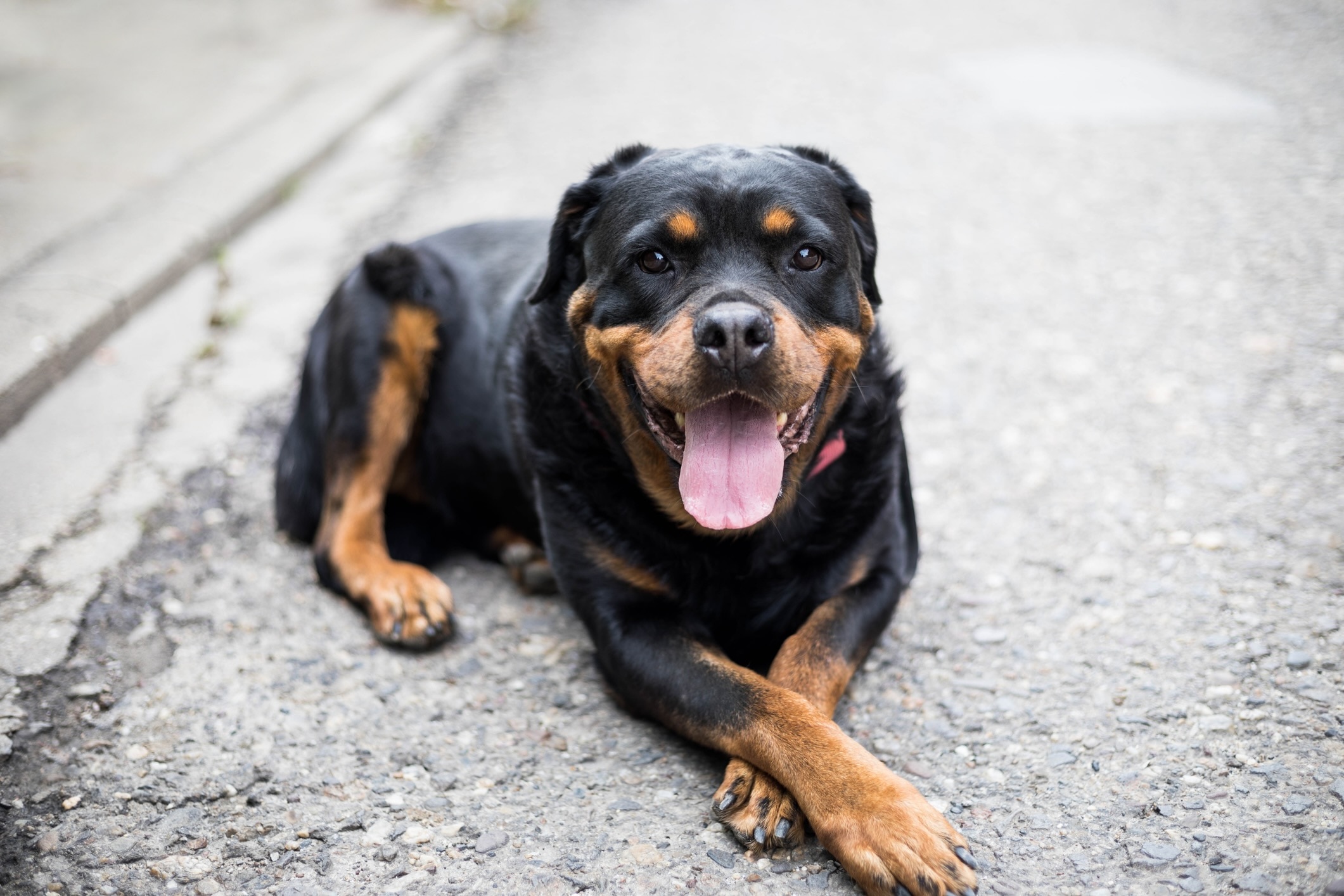
Don’t be fooled by the Rottweiler’s short, smooth coat—this breed sheds quite a bit. But even with heavy shedding, the grooming needs for a Rottie are more low-maintenance than fluffy dog breeds.
Skin Care
Rottweilers aren’t prone to any skin conditions, but contact your veterinarian if you notice anything concerning. They should only need baths as needed, like if they get muddy while on a hike.
Coat Care
Rottweilers have a medium-length coat that sheds a lot. This means that weekly or even daily brushing might be necessary to help manage their coat health and control the amount of dog hair around your home.
Eye Care
When doing your weekly brushing, check your Rottie’s eyes for excessive tearing or blinking, discharge, and irritation. These can all be signs of entropion, which the breed is predisposed to, or another eye problem.
Ear Care
Because Rottweilers have floppy, folded-over ears, they can get debris and moisture trapped in their ear canal. Regularly cleaning their ears with a vet-approved cleaner can keep their ears healthy and prevent infections.
Dental Care
Brushing your dog’s teeth at least three times every week is required maintenance for good oral health. Begin brushing your puppy’s teeth when they’re young to get them used to the routine. Always use a dog-specific toothpaste—never a human toothpaste, which can be toxic for pups.
Dental cleanings under anesthesia are typically recommended annually after Rottweilers reach 2 or 3 years old.
Consideration for Pet Parents
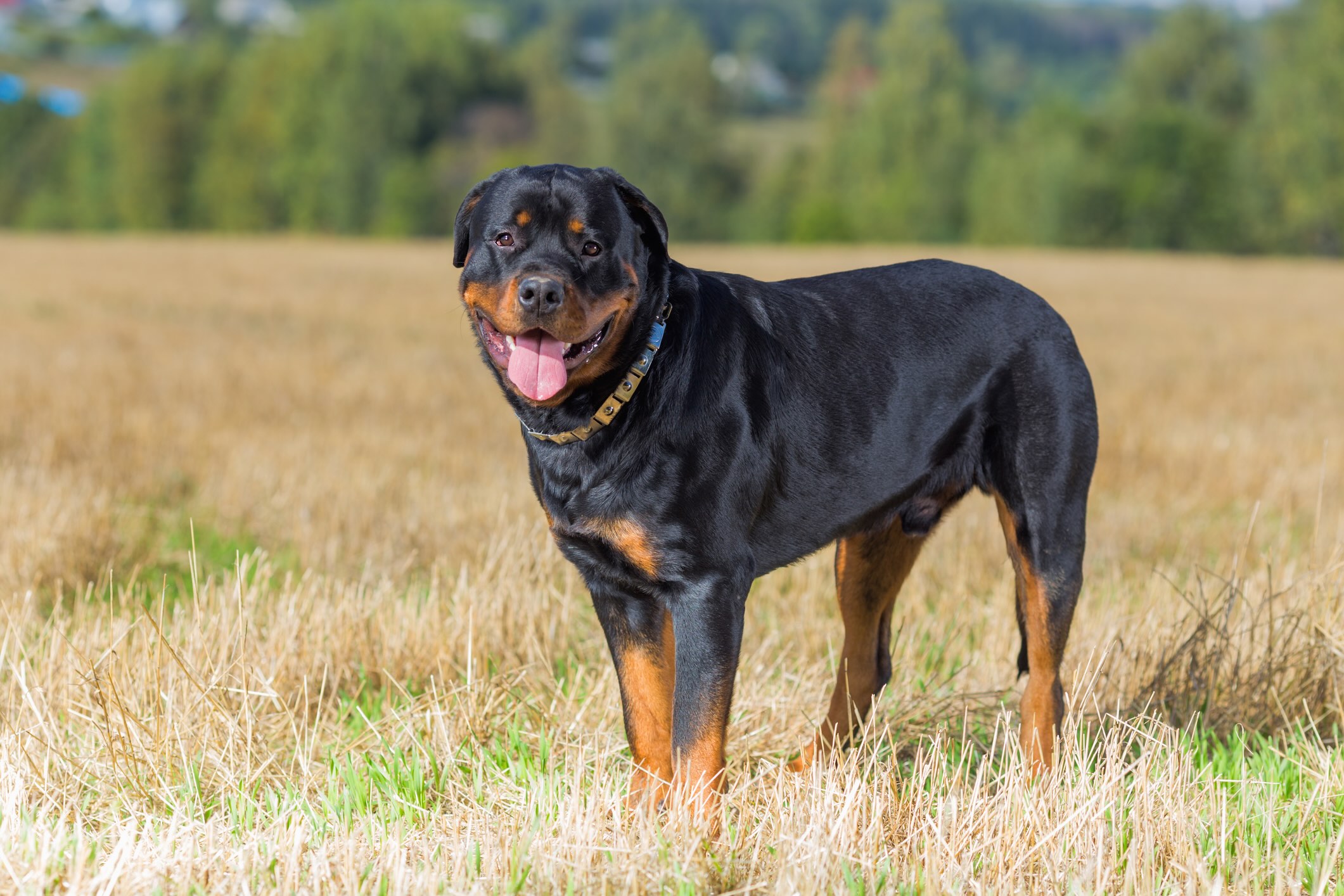
If you choose to bring a Rottweiler into your life, consider several important questions:
-
Do I have the space for a big Rottweiler to comfortably live in my house?
-
Can I dedicate at least one hour every day to exercising a dog?
-
Am I able to give a dog the socialization, training, and mental stimulation they need to be confident and happy?
-
Do I have the budget to address any health issues that may arise with my Rottweiler?
-
Do I live in an area that allows Rottweilers, or are there breed-specific bans in my community?
Rottweiler FAQs
Are Rottweilers hypoallergenic?
No, Rottweilers are not considered hypoallergenic dogs. Despite having short fur, they shed heavily.
How long do Rottweilers live?
The average lifespan of a Rottweiler is 9–10 years. They don’t live as long as some other breeds due to their large size and propensity for health issues.
Are Rottweilers good apartment dogs?
Rottweilers can do well in an apartment as long as they get enough exercise and mental stimulation.
What’s the difference between a Doberman Pinscher and a Rottweiler?
Doberman Pinschers and Rottweilers are both German working dogs, and both have short, smooth coats with similar colorations. However, Dobermans are more slender than Rottweilers (weighing 60–100 pounds) and have a longer lifespan (10–12 years).
References
American College of Veterinary Surgeons. Small Animal Topics: Canine Hip Dysplasia. 2022.