Cat Nosebleed: Signs, Causes, and Treatment of Epistaxis in Cats



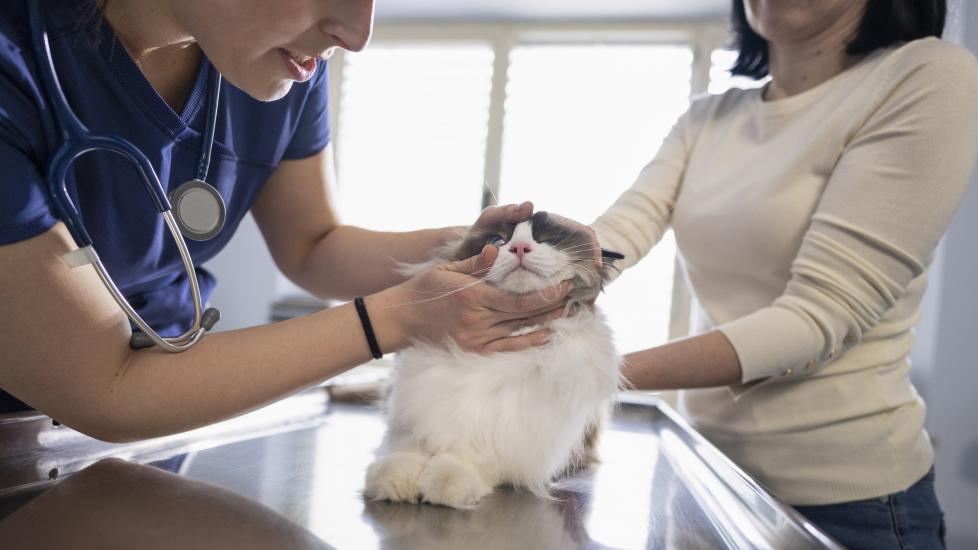
Tashi-Delek/E+ via Getty Images
A cat nosebleed is typically not common. While they can be scary for pet parents, they usually aren’t immediately life-threatening for your cat.
However, if you cat has a bloody nose, it’s recommended to get them immediately checked by a veterinarian especially if you are unsure of the cause of the nosebleed.
Key Takeaways
- Nosebleeds in cats can be caused by trauma, infections, toxins, or underlying health conditions.
- Always consult a vet if a nosebleed occurs, especially if your cat is acting differently or symptoms persist.
- Treatment depends on the cause and may include medications, surgery, or supportive care.
- Some nosebleeds are minor, but others may signal serious health problems that need immediate attention.
What Is Epistaxis in Cats?
Epistaxis is more commonly known as a nosebleed. When a cat has a nosebleed, the bleeding can be coming from within the nostril, in the nasal cavity, or further up in the part of the throat behind the nose (nasopharynx).
In some cases, the nosebleed is caused by blood vessels in the nasal passage and sinuses breaking because of injury or pressure.
If a cat has ingested rat bait or a rodent who recently ate rat bait, this can affect the cat’s blood clotting, which may also result in a cat bleeding from their nose. In some cases, nosebleeds occur as tumors grow into blood vessels, causing them to break.
Why Is My Cat’s Nose Bleeding?
It’s important to know that most sudden cat nosebleeds are not serious. However, there are some potential causes that may be more serious, and some may require immediate treatment. The cause of a cat nosebleed could be due to:
-
Trauma (such as a fall, being hit by a car, or a fight with other animals)
-
Fungal infections in the nose
-
Foreign object in the nose
-
Toxins that affect clotting, such as rat poison
-
Liver failure, which means the liver doesn’t produce enough clotting factors
-
Dental disease (tooth roots are very close to the sinuses)
If your cat needs immediate attention, seek care with an emergency veterinarian.
Health Tools
Get quick answers with our vet-created Symptom Checker
What To Do if Your Cat’s Nose Is Bleeding
-
Remain calm. Your cat may be in tune with your anxiety, and stress can make any injuries worse and may increase bleeding.
-
Use an ice pack or cooling pad on the bridge of the nose. If using an ice pack, make sure to keep a cloth between the cat’s face and the ice pack. Blood vessels constrict (shrink) in the cold, which may help to slow bleeding.
-
Do not put anything in the nose or give medications unless told to do so by your veterinarian. You can use tissue or a cloth to catch bleeding as it comes out, but you should not stick these items up your cat’s nose.
Seek veterinary attention right away if your cat’s nosebleed doesn’t stop or if your cat:
-
Is struggling to breathe
-
Has obvious injuries
-
Recently got into rat bait or recently ate a rodent
-
Is acting oddly or inappropriate (different from usual)
Keep in mind that bleeding within your cat’s nose can drain down their throat. They will likely swallow blood if the nosebleed is heavy, which might cause your cat to vomit blood clots or to have dark stool (melena) due to digested blood.
If your cat needs immediate attention, seek care with an emergency veterinarian.
Treatment of Nosebleeds in Cats
If your cat’s nosebleed stops on its own at home, it’s still a good idea to call your veterinarian to discuss the episode and make an appointment to rule out underlying conditions.
If your cat needs immediate attention, seek care with an emergency veterinarian. Once you’re at the veterinary office, the veterinarian will do a physical examination.
If your cat is still bleeding but seems otherwise healthy, the veterinarian may lightly sedate the cat to calm them, place ice on the nose, or put a small amount of epinephrine in the nose to help constrict blood vessels.
Further treatment will be based on the underlying cause. To find the cause, the veterinarian may do:
-
Routine bloodwork and urine testing
-
A sedated nasal examination
-
Cultures for bacterial infections
-
Testing for fungal infections
-
Computed tomography (CT) scans of the head
Cat Nosebleed Related to Trauma
If your cat had some sort of trauma causing the nosebleed, the veterinarian will likely focus on pain management and treating any other injuries, such as wounds or fractures. Pain management can include medications like meloxicam or buprenorphine.
Cat Nosebleed Related to Infection or Fungus
If an upper respiratory infection is causing the nosebleed, your cat will likely have a secondary bacterial infection.
Antibiotics such as doxycycline or azithromycin will be prescribed to treat the infection.
Funguses that can affect the nose, such as cryptococcosis, are usually treated for a few months with medications like fluconazole or itraconazole.
For severe cases, such as serious fungal infections, amphotericin B may be recommended in the early stages of treatment. Surgery may be recommended to remove fungal lesions in the nose or on the bridge of the nose. In some cases, antifungals are put directly inside the nose.
Cat Nosebleed Related to Foreign Object or Toxin
If the veterinarian thinks there is a foreign object in the nose, they may use a small scope or camera to find the object. They may also rinse out the nasal passages, while the cat has a tube in its trachea to protect the airway.
Cats who ate rat poison or possibly ate a rodent who recently ate rat bait will need to be hospitalized. Vitamin K1 will be given to prevent bleeding. Some cats who have eaten rat poison will have bleeding so severe they may need a blood transfusion.
Cat Nosebleed Related to Tumor
Tumors in the nose typically need specialized care. Nasal tumors are usually diagnosed through CT scans, and a tissue sample can be used to figure out the type of tumor.
In cats, the most common nasal tumor is nasal lymphoma, but nasal adenocarcinoma can also occur. Treatment options may include chemotherapy or radiation therapy. Surgical removal of the tumor is usually not successful.
Cat Nosebleed Related to Liver Failure
Cats with liver failure that is severe enough to cause loss of clotting factors are usually very sick and typically do not recover. Humane euthanasia may be recommended.
If you and your veterinarian decide to pursue treatment, treatment recommendations would depend on what is causing the liver failure. Management of liver failure in cats can include:
-
Nutritional support (feeding tube)
-
Blood transfusions
-
Intravenous (IV) fluids
-
Medications like maropitant citrate to reduce vomiting
-
Appetite stimulants like mirtazapine
-
Pain medications like buprenorphine
-
Lactulose to reduce ammonia absorption (which is increased in liver failure)
-
Antibiotics to kill bacteria causing infection in the liver
-
Supplements like S-adenosylmethionine (SAMe) or Nutramax Denamarin, which help support the liver.
Recovery of Epistaxis in Cats
Surgical cauterization (closure of the wound) may be needed if the bleeding is recurrent or will not stop.
Although a cat nosebleed often takes pet parents by surprise, they can usually be managed with the help of a veterinarian.
If your cat is having nosebleeds, contact a veterinarian to find out if your cat’s particular case needs immediate care.
Epistaxis in Cats FAQs
Are nosebleeds treatable in cats?
Nosebleeds in cats are treatable. Some cats may be prone to recurrent nosebleeds and need a long-term management plan.
Can dry air cause nosebleeds in cats?
Nosebleeds in cats are usually not caused by dry air. If you are concerned about this, you can consider a humidifier, but the humidifier should not have any essential oils or scents added due to the toxicity of essential oils near cats.
Should I be worried if my cat’s nose is bleeding?
No, a nosebleed may be due to several causes and several of these can be treated once identified. A veterinary examination is needed to determine a diagnosis so that appropriate treatment may be given to stop the bleeding. If you think your cat may have ingested a toxin, however, seek emergency vet care.
Why is my cat sneezing blood?
Sneezing blood may be due to a foreign object, nasal tumor, bacterial or fungal infection, toxin, or trauma.
Can cats get bloody noses?
Yes, cats can get bloody noses which may improve on their own in mild cases. If symptoms persist, it is important to have a physical examination for specific treatments to be prescribed after a diagnosis has been determined.