Dog Sniffing Benefits: Why 'Scent Walks' Are So Important



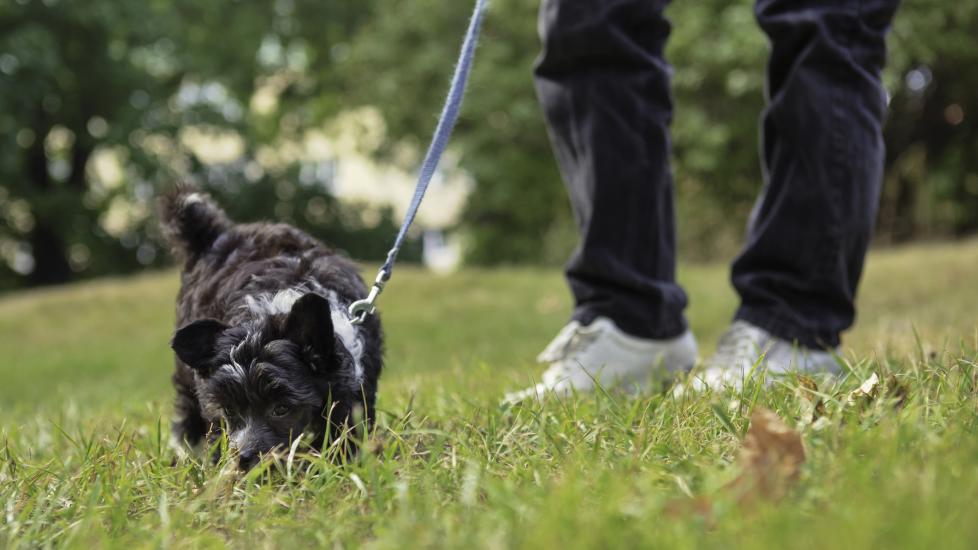
Marcus Lindstrom/E+ via Getty Images
Most pet parents have two goals when they set off for a walk with their dog: elimination and exercise.
While both are critical to maintaining a happy and healthy dog, limiting your pup to those basic elements skips an important part of the canine experience—engaging your dog’s sense of smell.
In large part, our dogs “see” the world through scent, and allowing them to interact with their environment through their noses taps into an often-overlooked processing tool.
While some pet parents may want to hurry their pup along during a stroll, it’s important to know why sniffing enrichment is important to dogs, and how to take a scent walk with them successfully.
Key Takeaways
- Dogs have a powerful sense of smell that helps them interpret their environment, much like humans use sight.
- Scent walks allow dogs to use their natural sniffing instincts, providing both mental stimulation and enrichment.
- Unlike typical walks focused on exercise or potty breaks, scent walks prioritize exploration and scent processing over distance covered.
- Letting your dog stop and sniff freely on walks can enhance their well-being and help you better understand their behavior and preferences.
How Dogs Understand Scents
Not only do dogs have hundreds of millions of scent receptors as compared to our six million, they also devote approximately 40 times more brain volume to decoding smells than we do.
This means that dogs are able to understand scent in a way that’s difficult for us to comprehend. A dog’s sense of smell can be loosely compared to human sight.
Dogs smell to gain context of their environment, which includes the unique signature of other beings that have traveled that route before them, as well as elements that are abstract, like the passage of time or pending weather changes (yes, dogs can sense storms coming).
A Dog's Need To Sniff Is Often Taken for Granted
A dog can smell much more than humans, and while we know dogs need exercise and socialization to lead healthy lives, we’ve taken longer to understand the importance of smell for dogs.
Dogs can be trained to sniff out bombs and missing people; they can locate the scat of endangered animals over land, air, and water; and they can even detect certain cancers in humans.
The scope of their abilities is almost beyond comprehension, which makes the accidental ways in which we discourage our dogs’ sniffing all the more unfortunate.
How To Take a Scent Walk With Your Dog
You can engage your dog’s scenting abilities by taking them on a smell or scent walk.
A scent walk changes the focus of the walk from miles covered to odors logged, which probably requires a different mindset for most pet parents.
Instead of having a specific destination, the route of a scent walk meanders as your dog absorbs and processes the scents along the way.
It’s easy to take a scent walk with your dog following these guidelines:
-
Simply set off on a path with your dog on a leash. A long leash (10 to 30 feet long) can give your dog a bit more freedom for sniff walks in less-populated areas.
-
When your dog stops for a sniff, let them; don’t immediately pull them away.
-
Be fully engaged, which means put away your phone and pay attention to your dog.
-
Be patient while your dog engages with their nose; tune in to what your dog is doing and learn to understand how much they enjoy the freedom of sniffing.
You’ll also likely gain new insights into your dog’s behavior when you take a scent walk:
-
Is your dog a drive-by sniffer, eager to inhale as many new scents as possible?
-
Or does your dog hunker down and dedicate themselves to smelling one location with great intensity?
As you stroll, allow your dog to select the path and the amount of time they spend on each odor, but remember to keep leash manners in mind and don’t let your dog pull you along.
The Benefits of Dog Sniffing on Walks
Scent walks mentally stimulate dogs by allowing them to engage their powerful sense of smell.
That said, pet parents don’t always have the time to devote to nose-to-the-ground walks. You can determine which walks you want to make scent walks, and which ones are routine (when your dog is on a tighter schedule).
It’s important to teach your pup the difference between typical exercise walks, late night potty trips, and walks with other canine friends without needing to stop and sniff the world along the way.
If you don't have time to take your dog on a dedicated scent walk, consider using scent-based enrichment toys like snuffle mats to give your dog an outlet for sniffing.
Scent Walks for Dogs FAQs
What are scent walks for dogs?
Scent walks are walks that you take with your dog where you allow them to sniff and explore objects along their path without a specific destination.
How long does a scent trail last for a dog?
Scent trails can last anywhere from a few hours to weeks, although many scents will start to fade within those first few hours or so.
Is letting your dog sniff on walks good for them?
Dogs get a lot of mental stimulation from sniffing, and it can even expend energy the same way physical exercise does, so it’s good for both your dog’s mind and their body.
Are sniff walks tiring for dogs?
The mental energy used during sniff walks can certainly make your dog tired, but in a good way!
Sniff walks are just as effective as physical exercise at expending pent-up energy and decreasing behaviors like destructive chewing or excessive digging.
Of course, if your dog is otherwise ill, elderly, or has limited mobility, it’s best to monitor them closely on sniff walks so that they do not become overly exhausted.