How Much Does a Dog Teeth Cleaning Cost?
SPONSORED BY




Nataba/iStock/Getty Images Plus via Getty Images
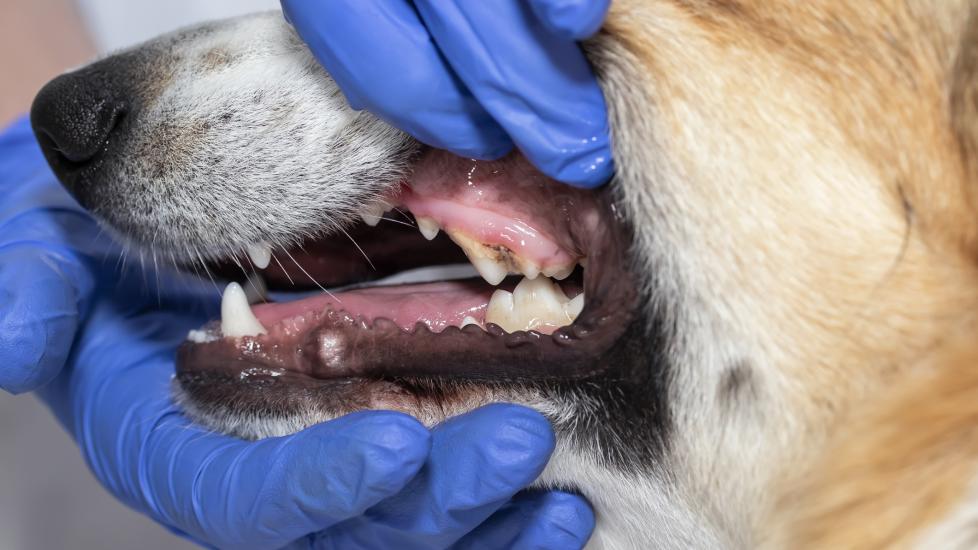
The best way to prevent dental disease in dogs is to have their teeth professionally cleaned and examined by a veterinarian on a regular basis. These cleanings remove plaque and tartar from above and below the gumline, helping to reverse gingivitis and improve your dog’s breath.
Professional dog teeth cleaning costs can vary widely, ranging from $350–$500 for routine procedures to $1,500 or more for advanced care. Factors influencing the cost include severity of your dog’s dental disease, the complexity of the procedures needed, and whether a general veterinarian or a board-certified veterinary dentist performs the cleaning.
In between professional dental cleanings, you’ll still need to provide daily dental care at home—such as teeth brushing and using dental chews, like Greenies Dental Treats—to promote good dental hygiene.
Key Takeaways
- Just like we brush our teeth regularly and visit our family dentist for routine cleanings, dogs need daily dental care and professional deep cleanings too.
- Dental disease in dogs can be reversed by a deep dental cleaning under anesthesia.
- Depending on your dog’s level of dental disease, your dog may need teeth cleanings yearly, starting at 1 to 2 years of age.
- Dental cleaning costs range from $350–$500 for a routine cleaning performed by a general practice vet to upward of $1,500 for more advanced dental procedures performed by a veterinary dental specialist.
How Much Does a Dog Teeth Cleaning Cost?
Dog dental cleaning costs range between $350 to upward of $1,500 depending on:
-
The severity of your dog’s dental disease
-
What additional treatments your dog needs
-
Whether the procedure is performed by a general practice veterinarian or a board-certified veterinary dental specialist
-
Where you live
| Expense | Average Cost |
|---|---|
| Basic teeth cleaning by general veterinarian | $350–$500 |
| Teeth cleaning by specialist | $1,500 |
| Tooth extraction | $500–$2,500 per tooth |
| Blood work | $75–$200 |
| Pain relief medication | $35 |
| Antibiotics | $35–$85 |
What's Included in the Cost of a Dog Teeth Cleaning?
The cost of dog teeth cleaning typically includes:
-
Anesthesia: The dog is safely placed under anesthesia via sedation and a tracheal breathing tube is positioned.
-
Anesthesia is the safest method for keeping water out of the airway, is not stressful or painful, and allows for complete exam and treatment.
-
-
Oral exam: A tooth-by-tooth exam is done, which includes measuring the gum pocket for periodontal health; checking for fractured teeth, cavities, and loose teeth; and performing an intraoral exam, evaluating the soft tissues of the mouth (tongue, palate, and back of the throat looking for ulcers and masses).
-
Scaling and polishing: Scaling removes plaque and tartar above and below the gumline and is always followed by polishing to smooth the surface of the teeth.
-
Dental X-rays: Dental X-rays are recommended at every dog dental cleaning to help veterinarians detect issues like bone loss, dead teeth, oral cancers, infections, and cysts. X-rays should also be taken before and after every tooth extraction. While this adds a small amount of anesthesia time, the benefit typically outweighs the risk.
Factors That Affect Dog Teeth Cleaning Cost
Dog dental cleaning costs depend on several factors, including the services provided, who is providing the services (a veterinarian or a veterinary dentist), and your location.
Services Provided
The following services will make dog dental cleanings increase in price:
-
Tooth extractions: If teeth are too diseased to be saved and are a source of inflammation or discomfort to your pet, they will be extracted at an extra cost. Costs can range from $500–$2,500 per tooth, depending on factors such as tooth size, complexity of the extraction, and surgery time.
-
Nerve blocks: Local anesthesia, or numbing agent, given in various locations within the mouth to prevent or block pain and facilitate teeth extraction.
-
Root canals: A procedure where inner contents—such as nerve and blood vessel—of the tooth are removed and replaced with a dental material so that the tooth can be saved instead of extracted.
-
Pain medications: If your dog had additional dental work performed, your vet may prescribe pain relief medication (such as Deramaxx) to help your dog feel more comfortable in the postoperative healing period.
-
Antibiotics: If your vet found deep infection in the gums, jawbone, or teeth, they may prescribe oral antibiotics (such as Antirobe or Clavamox) or administer an antibiotic injection (such as Convenia).
General Vet vs. Specialist
Both general practitioner veterinarians and board-certified veterinary dentists can provide proper dentistry care to your pup.
Veterinary dentists, accredited by the American Veterinary Dental College (AVDC), complete multi-year residencies with advanced training in dentistry, pain management, imaging (X-rays and CT), and anesthesia.
You may seek out or be referred to a veterinary dentist if your dog:
-
Has underlying health issues
-
Needs a root canal
-
Requires cancer removal
-
Has a less-common disease (dentigerous cyst, retained tooth roots, broken jaw)
-
Has advanced anesthesia needs
Location
The total cost of veterinary dental care for your dog is determined by your veterinarian and their pricing. This can vary widely depending on the city and state where you live.
It is important to contact your dog’s vet to discuss an estimate based on your individual dog’s needs.
What's Not Included in the Cost of a Dog Teeth Cleaning?
Speak with your veterinarian about what is and isn't included in the cost of your dog's teeth cleaning.
Prior to your dog’s procedure, your veterinarian will perform a blood panel on your dog to screen them for any underlying health issues and make sure your dog is healthy to undergo anesthesia. This blood work may or may not be included in the dental cleaning and ranges from $75 for a young healthy dog up to $200 for a dog with underlying health conditions or a dog in their senior years.
Some hospitals offer plans that cover teeth cleaning, but only the cleaning and anesthesia itself will be covered. Any teeth extractions, dental X-rays, pain medications, or antibiotics may incur additional charges.
Other hospitals may charge a lump sum per dental cleaning that includes the cleaning, anesthesia, dental X-rays, and extractions, if necessary.
Does Pet Insurance Cover Dog Teeth Cleaning Costs?
Not all pet insurance policies will cover dental costs.
If your dog was diagnosed with dental disease prior to acquiring the policy, the procedure could be excluded as a pre-existing condition.
Root canals and extractions can also vary from policy to policy.
Be sure to know your coverage prior to scheduling a dental procedure, as most policies do not reimburse pet parents until after the procedure.
How Often Do Dogs Need Their Teeth Cleaned?
The American Animal Hospital Association (AAHA) recommends a dog’s first dental cleaning should be by 1 year of age for small- and medium-size dogs, and by 2 years of age for large dogs.
Small dogs need a cleaning every year or even more frequently as needed. Their small mouths are prone to gingivitis and dental disease because of crowding (dogs have 42 teeth in those little mouths).
Brachycephalic dogs (flat-face breeds like Pugs, French Bulldogs, and Boston Terriers) also are prone to more advanced dental disease due to their abnormal bites and crowded teeth.
Larger dogs may be able to have a year and a half to two years between cleanings, although most will need yearly cleanings as necessary. However, they still need to have their mouths examined at yearly checkups.
Signs that your dog needs a professional cleaning include:
-
Bad breath
-
Bleeding, redness, or swelling of the gums
-
Having a hard time picking up food or decreased appetite
-
Dropping food while eating
-
Loose teeth
-
Teeth chattering
How To Save on Dog Teeth Cleanings
Let's look at a few tips on how to save on dog teeth cleanings and prevent future dental problems in your pup.
1. Start At-Home Preventive Care
Practicing good dental hygiene at home can help keep your dog’s teeth healthier in between dental cleanings—and save money due to staying ahead of periodontal disease, which would require more dental work that your dog would need.
Giving your dog vet-recommended dental chews like Greenies can support your dog’s oral health. Greenies Dental Treats are proven to control plaque and tartar buildup when used daily.
Brush your dog’s teeth every day, being sure to use a dog-safe toothbrush and toothpaste (one that appeals to your dog’s tastebuds, which helps increase compliance).
Other at-home dental aids that can help keep your dog’s teeth clean and healthy include dental diets, dental sprays, wipes, and water additives.
2. Schedule Cleanings Early
Starting dental cleanings when your pup is young is a long-term investment, both financially and for their oral health and comfort.
It’s safer (and cheaper) in the long run to have multiple dental cleanings to reverse mild dental disease, than to have an expensive procedure on an older animal needing extensive treatment.
Don’t be afraid to ask your veterinarian at the yearly exam when they think your dog is due for a cleaning.
If your pet has yearly blood work evaluated, try to time the dental procedure in the same month to avoid an additional blood test cost later.
3. Find the Right Pet Insurance Plan
If you are shopping for pet insurance, find out what the dental coverage is or if it will be excluded as a pre-existing condition in an older pet. Every policy offers different benefits.
Some veterinarians offer discounts in February for Pet Dental Health Month or include cleanings in yearly wellness plans. Your veterinarian may work with third-party financing options as well.
4. Never Go Anesthesia-Free
Anesthesia-free or “awake” dental cleanings do not treat dental disease and are not safe for pets.
They may be cheaper, but they do not remove plaque or tartar under the gumline, can’t treat disease, and are stressful for your dog.
The AAHA and AVDC do not recommend or endorse these procedures, and the short-term appeal of a cheaper fee will cost you and your dog in the long run.
Dog Teeth Cleaning Cost FAQs
Is dog dental cleaning worth the cost?
Yes, dog dental cleanings are worth the cost. Dental disease is a significant problem in pets; in fact, in a study conducted in 2023, dental-related disease was diagnosed in 73% of dogs and 64% of cats. If left untreated, dental disease can lead to devastating consequences, including mouth and tooth pain, bleeding, swelling, loose teeth, and abnormal chewing.
Dental cleaning procedures can not only prevent these diseases from occurring but can also limit them. And, at times, reverse their progression—leading to a better quality of life.
How often should dogs get their teeth cleaned?
Small dogs and brachycephalic breeds should have their teeth professionally cleaned by a veterinarian every year. Large dogs should have their teeth cleaned every one-and-a-half to two years.
What are alternatives to professional cleanings?
There are no alternatives to professional dental cleanings.
While daily dental hygiene methods, such as teeth brushing, using dental chews, and feeding dental diets, reduce plaque and tartar and can slow down the progression of dental disease, they cannot replace the need for professional cleanings performed under anesthesia, which potentially reverse dental disease. Only professional cleanings can resolve pain and infection under the gumline.