22 Holiday Items That Can Harm Your Pet

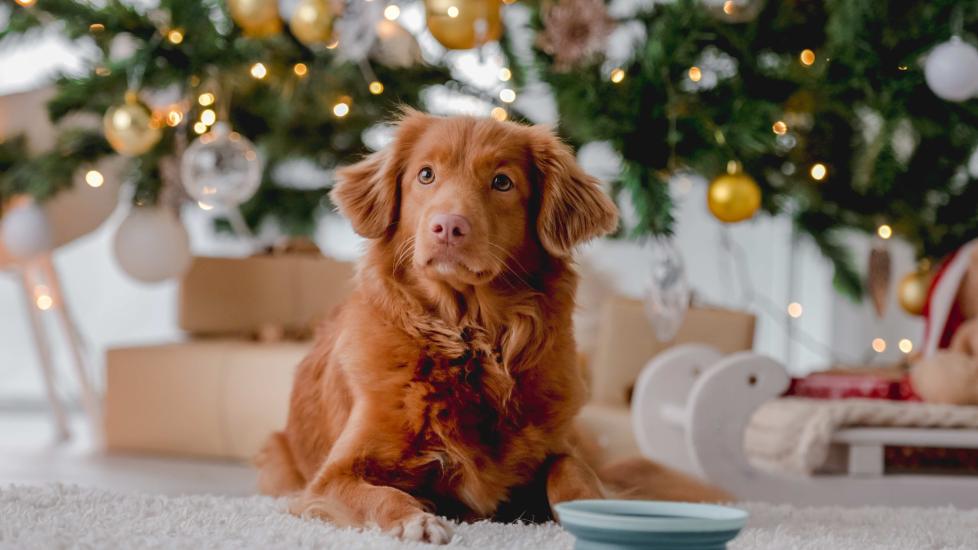
Helen Anne Travis VYCHEGZHANINA/Getty Images via Getty Images
The holidays bring plenty of joy and celebrations, but the merrymaking could put your pet in harm’s way.
Many of the decorations, foods, and festivities we associate with the holidays could cause big problems for your pet, putting them at risk for everything from indigestion to severe injury.
Here's a list of potential holiday pet hazards, plus tips for keeping your pets safe this season.
Key Takeaways
- Many common holiday foods, plants, and decorations can be harmful or toxic to pets.
- Keep your pet safe by preventing access to decorations, electrical cords, and dangerous foods like chocolate, grapes, and onions.
- Ensure guests and environmental changes don’t stress or endanger your pet during holiday festivities.
- Prepare for emergencies by updating ID tags and having veterinary contact information readily available.
1. Fatty Foods
People often use the holidays as an opportunity to indulge in rich, fattening foods.
But you’re not doing your pets any favors by sharing your favorite holiday table scraps with them. Rich foods can easily result in pancreatitis, which causes a painful inflammation of the pancreas that also causes vomiting and diarrhea.
Both dogs and cats can easily get an upset stomach if they eat any type of human food, especially those high in fat content.
2. Chocolate
Who doesn’t snack on sweet treats during the holidays? However, our pets should not be able to get their paws on any chocolate.
The severity of chocolate poisoning in dogs depends on how much they ingest and the type of chocolate. Symptoms can range from vomiting, diarrhea, muscle tremors, seizures, and even heart failure.
Chocolate is toxic to cats as well as dogs and causes many of the same symptoms. So, it’s important to keep your chocolate treats safely stored away from your pets during the season.
You can consider investing in a pet cabinet lock, like the MyPet Safety Paws Cabinet Lock to keep paws and noses out of trouble.
3. Grapes and Raisins
Whether they’re part of a fruit plate or dried raisins in a fruitcake, grapes and raisins should never be accessible to pets.
Grapes and raisins are toxic to dogs and can lead to acute kidney failure.
While cats are less inclined to eat grapes, they are still harmful to them.
4. Sugar-Free Candies and Pastries
Sugar-free pastries and candies often contain a sugar substitute ingredient called xylitol, which is extremely toxic to dogs. Xylitol poisoning in dogs can cause low blood sugar levels and possible liver failure.
5. Onions and Garlic
On the savory side, onions and garlic can affect red blood cells and cause anemia if excessive amounts are consumed.
Keep all forms—raw, cooked, chopped, or powdered—out of your pet’s reach, and call your vet right away if you suspect that your pet has ingested onions or garlic. Cats are especially susceptible to onion and garlic toxicity.
6. Meat Bones
Dogs might enjoy having a nice big bone to chew on, but cooked meat bones can splinter and cause a blockage or lacerations in the gastrointestinal tract, which is considered a medical emergency.
Raw bones have less of a chance of splintering, but they can transmit disease-causing pathogens. Chewing on anything hard can also cause broken teeth.
It’s important to throw those leftover turkey or chicken bones in the trash and stick to pet-safe chews like Nylabone’s Healthy Edibles All-Natural Dog Chew Treat or their bone broth flavored dog treats.
7. Alcohol
Pets should never be given alcohol. Alcohol poisoning can lead to dangerously low blood pressure, body temperature, and blood sugar levels, plus cause tremors, seizures, comas, and even death.
If you think your dog or cat may have ingested something toxic, contact Pet Poison Helpline or your vet immediately for guidance.
If you want your dog to still join in on the holiday fun, consider providing them with a pet-safe beverage or a beer-themed toy.
8. Poinsettias
Most holiday plants, such as poinsettias, can cause mild oral irritation and gastrointestinal distress, as well as vomiting and diarrhea in both dogs and cats.
Though it’s best to keep this holiday plant away from cats and dogs, medical treatment is rarely necessary for pets that ingest poinsettias.
9. Lilies
Other plants are far more dangerous. Even tiny amounts of certain types of lilies can cause kidney failure in cats, and health issues for your dog like vomiting and diarrhea.
The lilies that are especially dangerous to cats include:
-
Tiger lilies
-
Day lilies
-
Asiatic lilies
-
Easter lilies
-
Japanese Show lilies
It’s best to swap lilies with a pet-friendly flower instead to keep everyone safe.
10. Holly
Holly plants are toxic to both dogs and cats. If ingested, holly plants can cause vomiting, diarrhea and the spiny leaves can cause injuries to a pet’s mouth. Additional health issues may include excessive drooling, lip smacking, and headshaking.
11. Mistletoe
You might want to hang up traditional mistletoe, but this popular Christmas decoration should be kept away from pets, due to its toxicity.
If ingested by either a dog or cat, the plant can cause stomach problems, and if a large amount is ingested, hypotension, seizures, and even death may occur.
If you think your dog or cat may have ingested something toxic, contact Pet Poison Helpline or your vet immediately for guidance.
12. Candles
Whether you’re lighting a menorah, adding ambiance to your dinner setting, or placing candles in the window, be sure to keep your pets far away from open flames.
Don’t assume that a curious cat would never jump up on a mantle or table and accidentally catch their tail in the flame—as both cats and dogs are susceptible to burns.
Make sure all candles are in places where a dog or cat cannot access them.
13. Christmas Trees
While the Christmas tree is an essential part of holiday decor for many families, your pets see it more as a new toy to explore. You will need to take some precautionary measures to keep your Christmas tree safe from pets—and vice versa.
Cats are especially curious about Christmas trees. Whether your tree is real or fake, make sure it’s properly secured and has some sort of barrier to deter cats from going for a climb.
Investing in a dog gate or a tall cat gate helps to keep pets out of rooms where they can cause damage.
If your tree is real, don’t let cats or dogs drink from the water reservoir—especially if you use a fertilizer. Drinking this stagnant water can cause vomiting and diarrhea or other health issues.
14. Ornaments and Snow Globes
Aside from the tree itself, ornaments can also pose a hazard. Glass ornaments can break, cutting pets’ paws or faces. If ingested, they can also cause gastrointestinal blockages and lacerations.
Snow globes and bubble-shaped holiday lights may also contain poisonous chemicals such as ethylene glycol, which can cause kidney failure in pets.
15. Tinsel, String, and Ribbons
Tinsel is an extremely dangerous item to dogs and cats. It’s made from plastic or metal, which if ingested, can harm a cat or dog’s digestive tract. Strings of popcorn, cranberries, or even ribbon on presents can cause similar issues.
Due to the significant damage these items can cause our pets, it’s best to skip on these specific holiday additions.
16. Electrical Cords
Electrical cords can present a hazard for pets as well. And during the holiday season, there always tends to be more around the house for the decorations and lights.
If a dog or cat chews on a live electrical cord, they may experience oral burns, trouble breathing, seizures, and possible death.
It’s best to keep holiday lighting unplugged and out of reach when pets cannot be supervised near them. It’s also worth investing in a cord protector like the MyPet Safety Paws Ruff and Tuff Cord Protector to prevent your pet from chewing on wires.
17. Houseguests
Ask guests not to leave bags or purses on the floor. If they’re staying the night, keep the guest room door closed so pets don’t get into their suitcases.
Having lots of people in the home can also be stressful for dogs and cats, so it’s important your pet has a safe and quiet place to relax. Add some extra dog beds or cat beds (covered beds offer additional comfort for cats) in cozy spots away from the noise and consider adding a white noise sound machine to help block out extra chatter.
Changes made to the home, like moving a litter box out of a guest room or changing your dog walking routine, can cause a lot of stress for pets. So do your best to keep pets on their routine schedule as much as possible.
Additionally, there’s the danger that indoor pets get lost if the front or back door is left open by a guest. Prior to the holiday season ramping up, ensure your pet is microchipped and their ID collar tags are up to date.
18. Heaters and Warming Devices
Space heaters, heated blankets, and other warming devices could cause trouble if your pet knocks them over, tangles the cords, or moves them from their original position.
Never use kerosene heaters indoors as these can pose a carbon monoxide risk potentially poisoning you and your pets.
19. Fireplaces
Your dog may get curious around fireplaces and try to take a chew out of fire logs. While fire logs are not poisonous, the wood may cause an obstruction in the dog’s digestive tract.
Always monitor your dog if you have firewood near your fireplace and be sure to clean ashes out after each use, so your dog isn’t tempted to ingest any of it.
20. Cleaning Supplies
Whether you’re getting the house ready for holiday guests or cleaning up after them, keep pets far away from cleaning supplies that contain chemicals such as ammonia, bleach, and chlorine.
It’s best to switch to pet-friendly cleaning products, like cleaning supplies from Rocco & Roxie, or Mrs. Meyer, but even all-natural products can cause stomach irritation if ingested.
It’s ideal to keep your pets in a separate area until all recently cleaned surfaces are dry.
21. Ice Melts
Not all ice melts are created equal. While there have been many innovations in making rock salt safer for pets, not all products have made the switch.
Rock salts and other ice-melting chemicals can cause stomach upset or, potentially, electrolyte problems if swallowed. When trapped in your pet’s paws, they can also cause abrasions and ulcerations that lead to pain and infection.
When shopping for pet-safe ice melts, check the label to confirm it is OK to use around pets, such as Safe Paw PetSafe Ice Melt for Dogs and Cats.
After going for a winter walk make sure to protect your pets’ paws by investing in a pair of dog boots or washing their feet thoroughly with a pet-specific paw cleaner like the Dexas Popware for Pets Dog Paw Cleaner.
22. Antifreeze
Antifreeze is highly toxic to both dogs and cats.
Safer pet-friendly types of antifreeze are available with research. When looking for pet-safe antifreeze options, look for ones formulated with propylene glycol versus ethanol glycol.
Always clean up antifreeze spills thoroughly and call Pet Poison Helpline or your vet if you suspect that your pet has ingested even a drop. How quickly you need emergency vet care will depend on the type and amount of antifreeze ingested.
Before heading into the season, save and share your veterinarian’s clinic information with everyone in the family. You can also make note and save urgent vet cares in your area, should a pet emergency happen you’ll be well prepared.


