Hypothermia in Dogs: Signs and Treatment



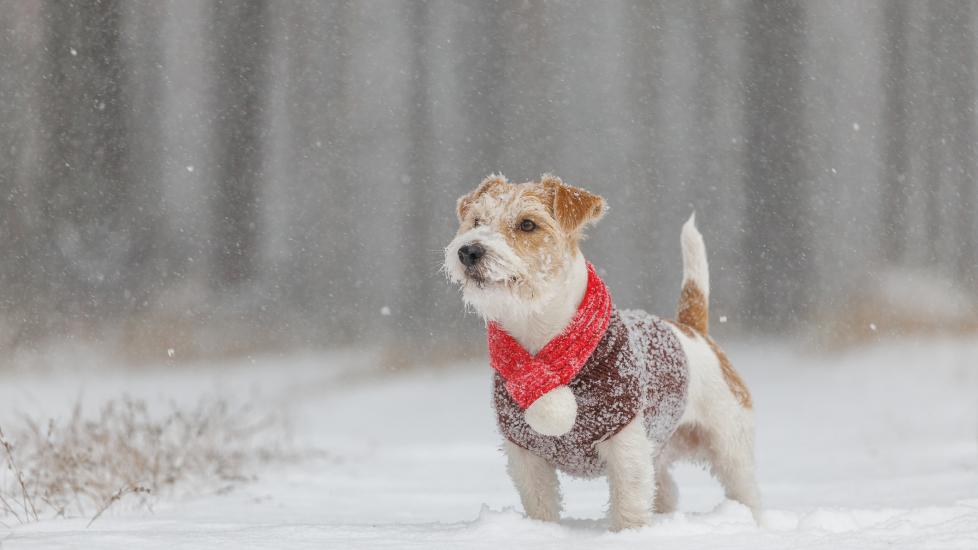
iStock/Alexander Pytskiy
Hypothermia in dogs—just like people—can lead to serious and potentially devasting consequences.
It’s important to be aware of the signs because if your pet is ever at risk, you can help save their life with a few simple steps.
Let’s look at an overview of what hypothermia is, how it affects a dog’s body, and some of the ways a pet parent can prevent or mitigate its negative effects.
Key Takeaways
- Hypothermia in dogs occurs when body temperature drops below 98–99°F and can quickly become life-threatening without prompt treatment.
- Signs range from shivering and lethargy to collapse and slowed heart rate; cold weather, anesthesia, and illness are common causes.
- Gradual rewarming and veterinary care are essential—never use direct heat sources like heating pads, and always seek immediate vet attention.
Can Dogs Get Hypothermia?
Yes! Dogs can get hypothermia.
Hypothermia in dogs is when a pup’s body temperature becomes dangerously low. This drop in body temperature must be dramatic enough to put the dog’s well-being at risk. Being cold isn’t the same as being hypothermic.
A dog’s average body temperature is warmer than a human—around 101.5 F, give or take a degree (100.5-102.5 F)
When a dog’s body temperature drops to around 98 F or 99 F, hypothermia is setting in.
Signs of Hypothermia in Dogs
Initially, a dog’s body responds to hypothermia by narrowing blood vessels near the surface to send blood away from the skin, legs, ears, and feet, and towards essential organs like the brain and the heart.
Because of this, the signs that a pet parent will notice have a progressive effect in terms of severity, ranging from:
-
Shivering, to reserve body heat
-
Muscle stiffness
-
Difficulty walking/disorientation
-
Pale gums and cool body surfaces (ears, legs, feet, paws)
As your dog’s body temperature continues to drop, you may notice the following changes:
-
Shivering stops, given that the cell’s energy stores are depleted
-
Collapse and lack of response
-
Fixed and dilated pupils
-
Slow and irregular heart and breathing rates
-
Death
Causes of Hypothermia in Dogs
Since a dog’s internal body temperature fluctuates—and some breeds like Huskies have a higher tolerance for the cold because of their insulated coats—the causes of hypothermia in dogs can vary.
However, cold weather, anesthetic procedures, and dogs suffering from underlying illnesses or those that might be of advanced age, are at greater risk of developing hypothermia.
Cold Weather
Prolonged exposure to the cold—especially when environmental temperatures fall below 32 F—can also lead to hypothermia in dogs. Body heat can be lost quicker when cold weather is worsened by wind chill, or in wet weather conditions such as sleet.
Dogs predominantly lose their body heat through their skin either through contact with cold surfaces, like the snow, or through the transfer of heat energy from the skin to the air.
Anesthesia/Surgery
Veterinarians take measures to prevent or treat hypothermia in dogs who are in the hospital for anesthesia and surgery. Drugs and procedures used to anesthetize dogs can lead to increased heat loss through the skin and respiratory tract and reduce the body’s ability to respond appropriately.
Surgery can result in more heat loss because:
-
The dog’s coat is shaved
-
The dog’s skin is cleaned with cool antiseptic solutions
-
The dog is laid on cold surgical tables
-
Internal organs are exposed to the air
Sickness or Injury
Sick and injured dogs are also at increased risk for become hypothermic.
Certain health problems can all lead to heat loss and/or the inability to regulate body temperature. These include:
Diagnosing Hypothermia in Dogs
A vet diagnoses hypothermia in dogs based on a pup’s temperature.
Using a rectal thermometer provides the most accurate measurements.
Any dog with a rectal temperature of under 98 to 99 F is hypothermic and requires treatment.
Hypothermia in Dogs Treatment
Hypothermia in dogs is treated by rewarming the affected pup—but the process should occur gradually. Think “warm,” not “hot.”
Do not use a heating pad, as it gives off excessive heat that can lead to burns, or it can direct too much blood flow towards the skin, which can cause shock.
If you suspect your dog is hypothermic, bring them to the vet immediately.
Once you’ve brought your dog to the hospital, your veterinarian can employ more aggressive warming techniques.
Hypothermic dogs can be given warmed intravenous fluids. Warmed fluids may be infused into a dog’s abdomen, stomach, and colon, and they may be given warmed and humidified oxygen to breathe.
The veterinary team will closely monitor your dog’s body temperature, heart rate and rhythm, oxygenation, blood work, so problems can be managed if they arise.
Additional treatments directed towards any underlying health problems will be necessary for dogs who develop hypothermia as a result illness or injury.
How to Warm Up a Hypothermic Dog
Follow these steps to help warm up an affected pet:
-
Get your dog into a warm building or vehicle.
-
Wrap them in blankets, towels, coats, etc. If you can, warm up some blankets on a radiator, in a clothes dryer, or using a hair dryer.
-
Place bottles of warm water next to your dog—but always keep a couple layers of fabric between the bottle and your pet's skin.
-
Get to the nearest veterinary office immediately.
Recovery and Management of Dog Hypothermia
Dogs with mild to moderate hypothermia should survive as long as they quickly receive appropriate treatment.
Severe hypothermia carries a worse prognosis, but some dogs can be revived even if they are comatose, in part because low temperatures reduce the oxygen and energy needs of cells in the body.
There is no way to know how a dog will respond to rewarming without trying, so always get a hypothermic dog to a veterinary hospital as quickly as possible.