Can Dogs Eat Cheese?



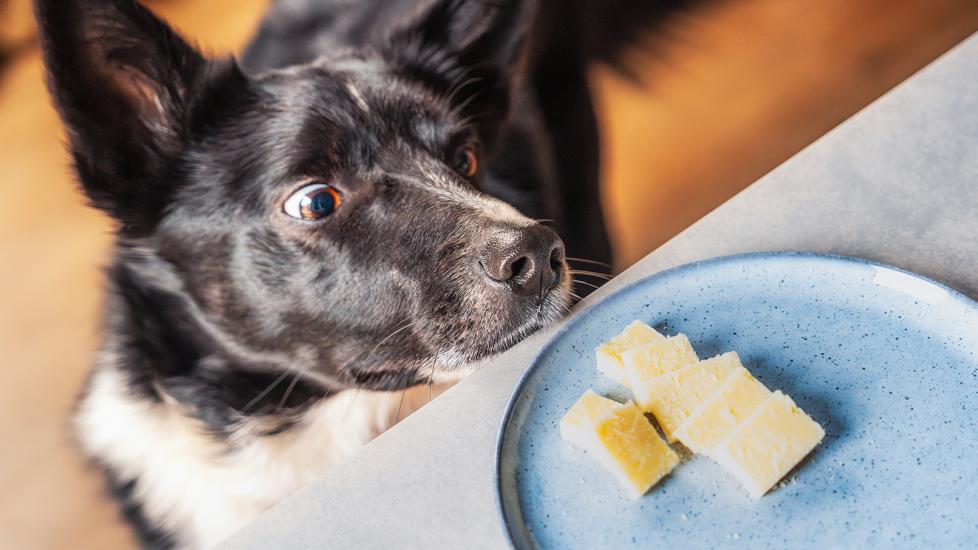
georgeclerk/iStock/Getty Images Plus via Getty Images
NOTE: Always check with your veterinarian before giving your dog any new foods, especially people food. What might be OK for one dog might not be good for your dog, depending on multiple factors such as their age, health history, health conditions, and diet. Dogs on veterinary diets should not be fed any food or treats outside the diet unless your veterinarian tells you it’s fine to do so.
Dogs love to be part of a party with their family of humans—especially when cheese is being served as a snack. But can dogs eat cheese? And if so, how much is considered too much?
Dogs can eat cheese in moderation. Here’s what to know about safely serving cheese to dogs.
Key Takeaways
- Dogs can eat cheese in moderation, but too much may cause digestive issues due to lactose intolerance.
- Avoid cheeses that are toxic to dogs, like blue cheese. Low-fat, low-lactose options like mozzarella are safer choices.
- Cheese should be an occasional treat, making up no more than 10% of your dog’s daily diet.
Can Dogs Have Cheese?
Yes, dogs can have cheese and they generally tolerate many varieties.
However, most dogs are lactose-intolerant, so they may have a negative reaction to too much cheese. Processed cheese products, like American cheese, are also not an ideal part of a dog’s balanced diet but can be safe to serve in small amounts.
Here’s a breakdown of types of cheese and if they’re safe for dogs:
| Cheese Type | Safe for Dogs? | Why or Why Not? |
|---|---|---|
| American cheese | Yes, occasionally | Processed; high in sodium |
| Blue cheese | No | Contains roquefortine; is toxic |
| Brie | Yes, occasionally | High in saturated fat and lactose, which can cause vomiting and diarrhea when too much is consumed |
| Cheddar | Yes, occasionally | High in sodium and saturated fat |
| Cottage cheese | Yes, in moderation | High in protein and good for bland diets—but still high in lactose, so it can be a problem when too much is consumed |
| Cream cheese | Yes, occasionally | High in saturated fat |
| Feta | Yes, occasionally | High in sodium and lactose |
| Goat cheese | Yes, in moderation | While lower in lactose and saturated fat, it’s still good to limit to no more than 10% of a dog’s daily calories to avoid weight gain |
| Gouda | Yes, occasionally | High in saturated fat |
| Mozzarella | Yes, in moderation | Lower in lactose and saturated fat (especially part-skim and low-fat varieties) |
| Parmesan | Yes, occasionally | High in sodium and saturated fat |
| Provolone | Yes, occasionally | High in sodium, saturated fat, and lactose |
It’s a better option to give dogs food that is made for them, and there are plenty of cheese-flavored dog treats, like:
Is Cheese Good for Dogs?
Cheese can be a good source of protein for dogs, but because dogs can be lactose-intolerant, dairy products are not the best snack for them.
Is Cheese Bad for Dogs?
Dogs can handle small amounts of cheese before having possible reactions to it, such as diarrhea or other digestive disturbances. Too much of a good thing—even their favorite thing—may give them tummy problems.
The calories in cheese can also have a negative effect on your dog’s balanced diet and cause them to gain weight.
How Much Cheese Can Dogs Eat?
It’s recommended to give your dog cheese only as an occasional treat. Keeping the treats as a small bonus while maintaining a balanced diet for your dog is the safest and healthiest way to give your dog cheese.
Remember the 10% rule: Ninety percent of your dog’s diet should come from dry or canned food that has been specially formulated for your dog’s age and health. The other 10% can come from treats used in training, extra snacks, dental treats, food additives, and human foods.
The chart below outlines how much and how often you can feed your healthy-weight dog cheese.
| Dog Size | Serving Size | Frequency |
|---|---|---|
| Extra-small dogs (2–10 pounds) | 1–2 pea-size pieces | A few times per week at most |
| Small dogs (11–20 pounds) | 1–2 cubes of cheese (measuring about ¼ inch square) | A few times per week at most |
| Medium dogs (21–50 pounds) | 3–4 cubes of cheese | A few times per week at most |
| Large dogs (51–90 pounds) | 5–6 cubes of cheese | A few times per week at most |
| Extra-large dogs (91+ pounds) | 7–8 cubes of cheese | A few times per week at most |
Discuss with your veterinarian how much cheese your dog should have and how often.
For example, some dogs may be able to tolerate lower-sodium, lower-fat, lower-lactose cheeses more often, such as to use as pill pockets for daily medications. However, other dogs may be more sensitive to lactose or have medical conditions, like pancreatitis, that require them to be restricted to once a week, once a month, or even just a few times per year.
How To Safely Feed Cheese to Dogs
Here are some tips for prepping and serving cheese to dogs:
-
Start slow. If you’re introducing cheese to your dog for the first time, start with small amounts and watch your dog for adverse reactions, including vomiting, diarrhea, bloating, and gas. If even small amounts give your dog the runs, cheese may not be the best snack for them.
-
Serve small pieces. Cut cheese into small cubes or shred it.
-
Serve as an occasional treat. Remember the 10% rule.
-
Use it to hide pills or medication. If your dog has a hard time taking pills—or spits them out—you can hide a pill in a small amount of cheese. You can also use cheese-flavored pill pockets, like Greenies Pill Pockets, or a pill paste like Pet MD Wrap-A-Pill Pill Paste.
However, the safest way to feed your dog cheese is to give them cheese-flavored dog treats that are made just for them, like Pupford Cheddar Crunchies or Cloud Star Tricky Trainers with Cheddar.
Can Dogs Eat Cheese FAQs
Can puppies eat cheese?
Yes, puppies can eat cheese, but it’s best to introduce them to it in small amounts to make sure they don’t have an adverse reaction to it.
What is the best cheese for dogs?
The best cheese for dogs is lower in fat, has a lower milk content, and is less processed. Cottage cheese is a very tolerable cheese for dogs and can be a good source of protein.
Can dogs eat mac and cheese?
It’s not recommended to give dogs mac and cheese. The dairy and gluten in this comfort food can be difficult for dogs to digest.
Can dogs eat string cheese?
String cheese, which is usually mozzarella cheese, has a high milk content and is very processed, which makes it a less ideal choice to feed your dog.
Can dogs be lactose-intolerant?
Yes, dogs can be lactose-intolerant—and many of them are. While some dogs can safely digest small amounts of cheese, too much can cause diarrhea or other gastrointestinal problems.
Can dogs eat cheese if they have pancreatitis?
No, dogs should not eat cheese if they have pancreatitis. Pancreatitis is a disease that affects the digestive enzymes that break down food. If your dog has pancreatitis, they should eat a bland, low-fat diet.