Can Cats Eat Turkey?



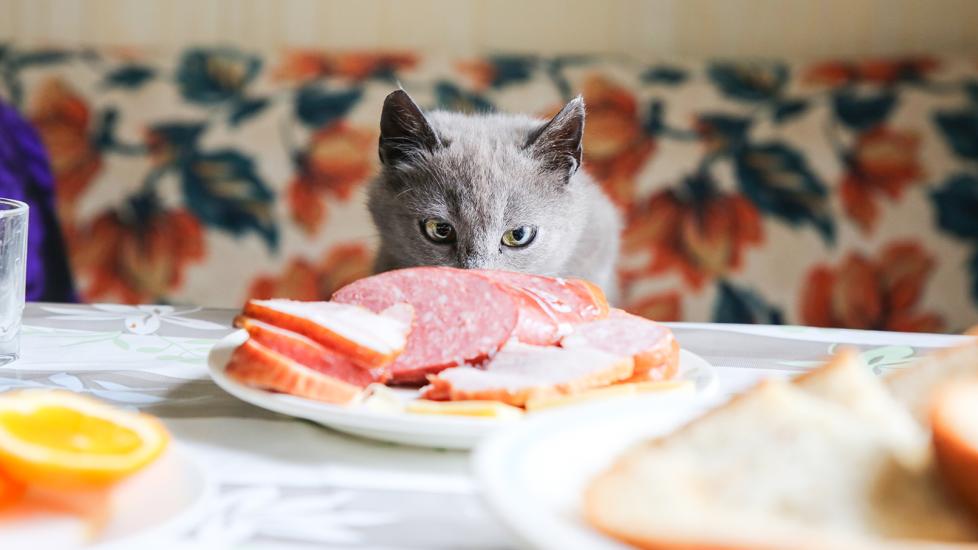
Vadym Plysiuk/iStock/Getty Images Plus via Getty Images
NOTE: Always check with your veterinarian before giving your cat any new foods, especially “people foods.” What might be OK for one cat might not be good for your cat, depending on multiple factors such as their age, health history, health conditions, and diet. Cats on prescription diets should not be fed any food or treats outside the diet unless your veterinarian tells you it’s fine to do so.
Cats are obligate carnivores, which means they’re built to thrive on meat. That’s why turkey is such a hit with so many cats and why animal protein dominates nearly every cat food formula.
But can cats eat turkey safely and are all types of turkey safe for them? Here’s what you need to know before sharing a bite with your feline friend.
Key Takeaways
- Plain, cooked turkey is safe and nutritious for cats. It provides lean protein, essential vitamins and minerals, and taurine, making it a healthy occasional treat.
- Avoid processed or unsafe forms. Deli meat, turkey bacon, and raw or seasoned turkey can be harmful, as can turkey skin and bones.
- While safe, turkey should complement a balanced cat food, not replace it, so offer it sparingly to prevent nutritional imbalances, weight gain, or digestive issues.
Can Cats Have Turkey?
Yes, cats can have turkey, with a few considerations. Plain, fully cooked turkey is the safest bet. Breast meat, ground turkey, or a small amount of dark meat are all fine choices. Just remember that while dark meat is richer in iron, selenium, and zinc, it also contains more calories and fat, so it should be fed sparingly.
Don’t add any spices or seasonings, and stick to simple cooking methods like baking, boiling, or broiling. Skip deep-frying because it adds too much fat.
Some pre-cooked or seasoned turkeys can contain ingredients that upset a cat’s stomach or that are even toxic to cats (garlic and onion, for example), so it’s best to prepare plain turkey yourself. However, if you prefer not to cook, you can also give your cat nutritionally balanced cat treats or food made with turkey. Some good options include:
Is Turkey Good for Cats?
When served plain and cooked, turkey offers cats lean protein and essential nutrients, while being gentle on sensitive stomachs. Here’s a closer look at why turkey might be a healthy addition to your cat’s diet:
-
It’s low in calories and fat. Turkey is a lean protein option for cats, so it’s a good option for cats who need to maintain a healthy weight.
-
It’s easy to digest. Most cats can tolerate plain, cooked turkey well. Many cats with sensitive stomachs have an easier time with turkey, especially white meat turkey, compared to fattier meats, like duck or ham.
-
It’s rich in vitamins and minerals. Turkey has B vitamins that help your cat turn food into energy and keep their nerves healthy. It also contains minerals like selenium, magnesium, zinc, and phosphorus, which support strong bones and a healthy immune system.
-
It’s high in taurine. Turkey naturally contains taurine, an essential amino acid for cats that supports heart health, vision, and proper digestion.
Can Turkey Be Bad for Cats?
While plain, cooked turkey can be safe in moderation, certain types of turkey and preparation methods can be harmful to cats. Here are some of the main risks to watch out for:
-
Fatty cuts can cause stomach upset. Skin, dark meat with a lot of fat, and greasy drippings can lead to vomiting or diarrhea.
-
Processed turkey is unsafe. Deli turkey, turkey bacon, or turkey sausage often contain sodium, preservatives, nitrates, and other ingredients that aren’t healthy for cats.
-
Bones are dangerous. Cooked turkey bones can splinter, creating a choking hazard or causing internal injury if swallowed.
How Much Turkey Can Cats Eat?
Treats should make up no more than 10% of your cat’s daily caloric intake, with the rest coming from a nutritionally balanced cat food.
As for portions, you can offer a bite that’s about the size of the tip of your thumb, and it should only be offered daily if your cat is healthy and has no underlying medical conditions.
When giving turkey to your cat for the first time, start with just a tiny amount and watch for any side effects, like vomiting or diarrhea. If they tolerate it well, you can work up to the full portion.
If your cat consumes a large amount of turkey on their own, or you’re concerned that the turkey had spices, skin, or bones in it, contact your veterinarian for guidance.
How To Safely Feed Turkey to Cats
If you’re making turkey at home, a few simple steps will help keep it safe for your cat to eat:
-
Remove skin and bones. The skin is high in fat and can cause digestive upset, while bones can splinter and pose a serious risk of choking or intestinal blockage and injury.
-
Cook it thoroughly. Bake, boil, or broil the turkey. Avoid deep-frying. Feeding raw or undercooked turkey increases the risk of food-borne illnesses.
-
Skip the seasonings. Make turkey without added salt, oils, or seasonings, including onion and garlic, which can be toxic to cats.
-
Let it cool. Make sure the turkey has cooled to room temperature before serving.
Once your turkey is prepared, you can give it to your cat in a few different ways:
-
As a tiny treat: Give your cat bite-size pieces between meals, paying attention to overall portions.
-
Mixed into their regular food: Shred or chop the turkey and stir a small amount into your cat’s usual wet or dry food.
-
In a food-dispensing toy: Break the turkey into smaller pieces and put them in puzzle feeder, like the Catstages Kitty Cube Cat Treat Puzzle Toy or Catit Senses 2.0 Food Tree, to make treat time more engaging
Can Cats Eat Turkey FAQs
Can cats eat turkey bacon?
No, cats should not eat turkey bacon. Although it isn’t toxic to cats, turkey bacon is loaded with salt and preservatives. Over time, eating a lot of turkey bacon could lead to or worsen health issues like hypertension, heart disease, and obesity.
Can cats eat turkey lunch meat?
No, cats shouldn’t eat turkey lunch meat. It’s usually high in sodium and may contain seasonings, preservatives, or nitrates that can upset your cat’s stomach or harm their health.
Can cats eat ground turkey?
Yes, cats can eat ground turkey as long as it’s cooked thoroughly and kept plain with no spices like onions or garlic.
Should cats eat raw or cooked turkey?
Cats should always be fed cooked turkey. Raw meat may contain bacteria, which can make you and your pets very sick.
Can cats have turkey bones or skin?
No, cats should not eat turkey bones or skin. Turkey skin is very high in fat and could result in an upset stomach. Cooked turkey bones can splinter easily, which can cause serious injuries in the mouth, esophagus, stomach, and intestines.