Can Cats Eat Garlic?



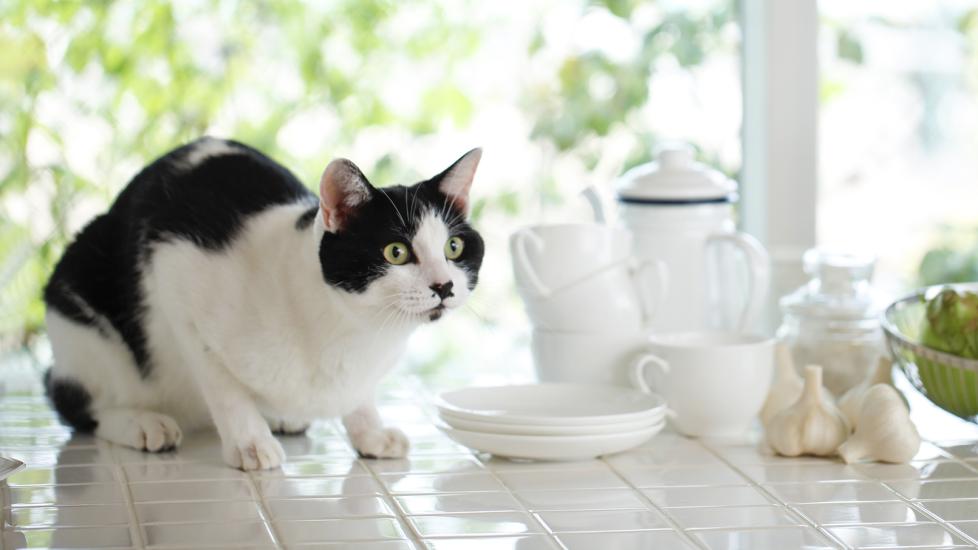
kazoka30/iStock/Getty Images Plu via Getty Images
Garlic is an aromatic and tasty addition to many favorite dishes, and it can be found in many forms including raw, in cooked products, minced, or powder. But while delicious for people, can cats eat garlic too?
Garlic is dangerous to cats. Here’s what to know about garlic for cats and what to do if your cat eats garlic.
Garlic poisoning can become life-threatening and should be treated as a medical emergency. If your cat ingests garlic, take them to the vet immediately. Do not wait until they are acting sick.
Key Takeaways
- Garlic is toxic to cats and can cause serious health issues, including anemia and organ failure.
- Even small amounts of garlic—such as garlic powder or minced garlic—can be harmful to cats.
- Symptoms of garlic poisoning may be delayed and include vomiting, lethargy, pale gums, and red or brown urine.
- If your cat eats garlic, seek emergency veterinary care immediately. Do not wait for symptoms to appear.
Can Cats Eat Garlic?
Garlic is not safe for cats, and even small amounts can be harmful. Whether cooked or raw, garlic is toxic to cats, and your pet should never eat it in any form, including:
-
Garlic cloves
-
Jarred minced garlic
-
Garlic powders and salts
-
All homemade or prepackaged foods containing garlic (including baby foods and broths)
Garlic is a bulbous vegetable belonging to the genus Allium, which also includes onions, chives, and leeks. None of these should ever be included in your cat’s diet or treats.
Why Is Garlic Bad for Cats?
Garlic contains a substance called sodium n-propyl thiosulfate that is toxic to cats. This toxin can harm their red blood cells, making them break down too quickly.
When red blood cells are destroyed, it can cause a condition called anemia. This means your cat’s body doesn’t get enough oxygen, which can make them very sick.
Signs of anemia include tiredness, dark-colored pee, pale gums, and in serious cases, organ failure or even death.
How Much Garlic Is Toxic to Cats?
Garlic is five times more toxic than onions. Due to the small size of cats and the potency of garlic, small amounts can result in severe poisoning.
In the average-size cat (10–12 pounds), less than one small glove of garlic (about 4–7 grams) can be enough to result in severe toxicity. This also means that less than 1/2 teaspoon of minced garlic or less than 1/8 teaspoon of garlic powder can be toxic to cats.
It’s difficult to quantify the amount of garlic in cooked or previously prepared food. So if your cat eats any garlic or garlic-containing products, take them to the vet immediately.
Symptoms of Garlic Poisoning in Cats
If your cat ate garlic, clinical signs may develop within a day but may be delayed by a few days. Signs to watch for include:
-
Pale pink, white, or yellow gums
-
Discolored (red or brown) urine
-
Increased respiratory rate
-
Increased heart rate
-
Collapse
My Cat Ate Garlic—Now What?
Even a small amount of garlic can be dangerous to your cat. If you think your cat ate garlic, take them to the vet right away—even if they seem fine.
Try to figure out how much they ate and bring any packaging with you, if possible. You can also call your vet or reach out to the Pet Poison Helpline at 855-764-7661 or the ASPCA Animal Poison Control Center at 888-426-4435 for advice.
Don’t try to make your cat vomit at home. Getting help from a vet quickly is the best way to keep your cat safe.
Treating Garlic Poisoning in Cats
Vets usually diagnose garlic poisoning by looking at your cat’s symptoms, learning what they ate, and checking a blood sample under a microscope.
If your cat ate garlic recently (within about two hours), the vet might try to make them vomit. But it’s not always safe to do this in cats, so they’ll choose the safest treatment option.
The vet might give your cat activated charcoal, which helps absorb any remaining toxins in the stomach. In serious cases, your cat may need to stay in the hospital to get IV fluids and, sometimes, a blood transfusion.
Most cats get better if they only ate a small amount and are treated quickly. But eating a lot of garlic—or not getting treatment—can be very dangerous. To keep your cat safe, always keep garlic and garlic-flavored foods away from them.
Can Cats Eat Garlic FAQs
Can cats have garlic powder?
No, garlic powder is highly concentrated and even more dangerous than raw garlic. A tiny amount can harm your cat.
Can cats eat garlic bread?
No. Garlic bread often contains garlic or garlic powder, butter, and other ingredients that are not safe for cats.
Do cats like garlic?
Most cats don’t like the taste or smell of garlic. But curious cats might still try to eat foods that contain it, so keep it out of reach.
What if my cat ate garlic but is acting fine?
Even if your cat seems OK, garlic can cause delayed symptoms. Take your cat to the vet right away to be safe.
Is garlic OK for cats?
No, garlic is not OK for cats. It’s one of the most toxic foods for them.
Is garlic good for cats?
No, garlic is not good for cats. It offers no health benefits and is dangerous.
Are cats allergic to garlic?
While cats aren’t typically allergic to garlic, their bodies cannot process it safely. Garlic is toxic to them and should be avoided entirely.
References
Peterson, Michael E. Small Animal Toxicology. 3rd ed. Elsevier Saunders; 2001.
Hovda, Lynn, et al. Blackwell’s Five-Minute Veterinary Consult Clinical Companion: Small Animal Toxicology. 2nd ed. John Wiley & Sons; 2016.