Can Cats Eat Corn?



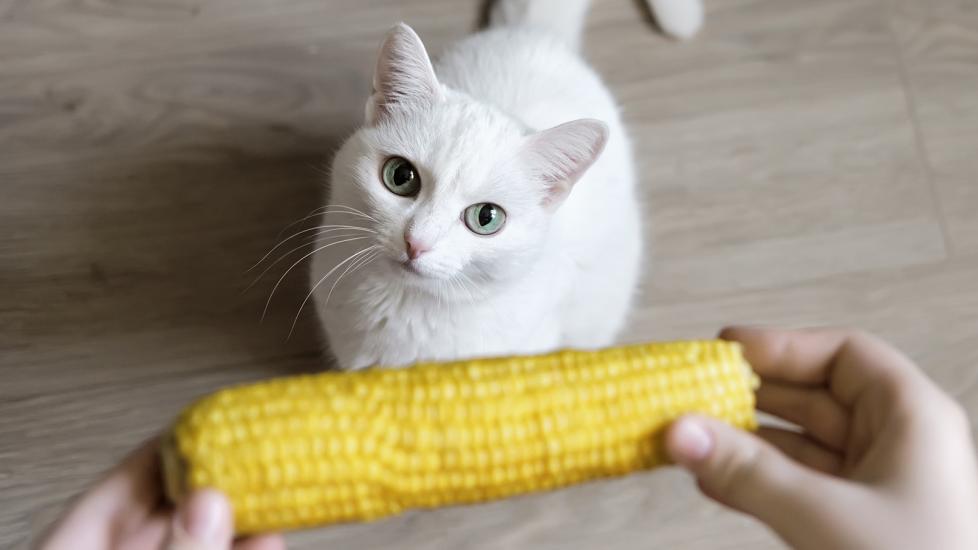
colnihko/iStock/Getty Images Plus via Getty Images
NOTE: Always check with your veterinarian before giving your cat any new foods, especially “people foods.” What might be OK for one cat might not be good for your cat, depending on multiple factors such as their age, health history, health conditions, and diet. Cats on prescription diets should not be fed any food or treats outside the diet unless your veterinarian tells you it’s fine to do so.
Whether creamed, on the cob, or made in chowder, corn is a favorite vegetable for humans. But can cats eat corn too?
Technically, yes, cats can eat corn, but it’s not the best choice for them. And although corn is a common ingredient in cat foods, supplementing a complete and balanced diet with corn is a different story. Here’s what to know about sharing corn with cats.
Key Takeaways
- Corn isn’t toxic, but it’s not ideal for cats. While cats can eat small amounts of plain, cooked corn safely, it doesn’t offer much nutritional value.
- If you do give your cat corn, stick to plain, cooked corn—no salt, butter, or seasoning—and avoid cobs, husks, and processed corn products, which can be choking hazards or cause digestive issues and other health problems.
- Commercial cat foods and treats that include processed corn are balanced and more digestible, making them a better way for cats to get any potential benefits of corn.
Can Cats Have Corn?
Corn isn’t considered toxic to cats, so they can have some. But it really isn’t good for them.
Cats are obligate carnivores, which means they need to obtain most of their nutrients from meat-based protein. This also means they have a harder time processing and digesting carbohydrates, which corn has a lot of.
Corn is often included in cat food primarily as a source of fatty acids, vitamins, minerals, antioxidants, energy, and even some protein, but it’s specially processed to ensure the food is maximally digestible. If corn isn’t thoroughly processed (ground and heated) like it is in cat food, it can be very difficult for kitties to digest.
If you do decide to feed corn to your cat, stick with small amounts of plain, cooked kernels only. Fresh, frozen, or canned corn (without salt, butter, or seasonings) is the safest option.
Don’t give your cat creamed corn, which often contains milk, sugar, or thickeners that can upset your cat’s stomach. Also avoid feeding your cat raw corn, corn on the cob (which is a choking hazard), corn husks, or processed corn products like tortilla chips, popcorn, or cornbread; these can be difficult to digest or even dangerous.
For a safer and more convenient option, it’s usually better to stick with store-bought cat treats or commercial cat foods that contain processed corn as part of a balanced recipe. Some highly rated options include:
Is Corn Good for Cats?
While corn isn’t a necessary part of your cat’s diet, it can have a few minor upsides if eaten in small amounts:
-
It provides some beneficial nutrients. Corn supplies essential fatty acids that support skin and coat health. It also contains antioxidants like beta-carotene, vitamin E and lutein as well as some protein.
-
It offers fiber. A little fiber from corn may help support digestion and regular bowel movements in some cats.
-
It adds variety in texture. Small amounts of cooked corn kernels can give cats an interesting crunch, which some may enjoy.
Can Corn Be Bad for Cats?
But even though it’s not toxic, corn is not entirely risk-free either. Here are some of the biggest drawbacks of feeding corn to your cat:
-
It’s high in carbohydrates. Cats don’t need carbs for energy, and too many can contribute to weight gain and even diabetes over time.
-
It may cause digestive upset. Some cats struggle to digest corn, which can lead to vomiting, diarrhea, or constipation.
-
It’s essentially empty calories. Because supplemental corn has little to no nutritional value for cats, it doesn’t really benefit their diet.
-
It can trigger allergies. Exposure to corn may cause some cats to develop food sensitivities or allergic reactions, although other ingredients like beef, fish, and chicken are more common allergic triggers.
-
Other ingredients can be dangerous. Dishes that include corn may contain garlic, onions, and other toxic foods for cats.
How Much Corn Can Cats Eat?
All treats combined, including corn, should make up no more than 10% of your cat’s daily calories. The other 90% should come from a well-balanced cat food.
When giving corn to your cat for the first time, go slowly and watch for any signs of digestive upset, like vomiting or diarrhea. If your cat tolerates the corn well, you can give them a little more.
But even if your kitty enjoys eating corn and doesn’t experience negative side effects, you should keep portions small. Limit the amounts to less than 1 tablespoon of plain, cooked corn per week.
How To Safely Feed Corn to Cats
If you decide to let your cat try corn, preparation is key to making it as safe as possible. Here are some tips:
-
Choose the right corn. Avoid popcorn, corn chips, or tortillas, as these often contain excess salt, fats, or preservatives. Fresh, frozen, or canned corn (without additives) are the best options.
-
Wash thoroughly. Rinse fresh corn under running water to remove any dirt and pesticide residue.
-
Cook thoroughly. Corn should be boiled, steamed, or baked until soft, because raw kernels are tough to digest.
-
Remove from the cob. Never let your cat chew directly on a cob, as it can pose a choking hazard or cause an intestinal blockage.
Once the corn is prepped safely, you can offer it to your cat in a few simple ways:
-
As a quick treat: Offer a few plain, cooked kernels as a small snack.
-
Mixed into meals: Stir a little plain corn into your cat’s wet food or kibble for extra variety.
-
Mashed on a lick mat: Lightly mash some corn and spread it on a lick mat, like the AWOO Paradise Lick Mat, for enrichment.
-
Stuffed into a toy: Mix a tiny amount of corn with your cat’s usual food and place it inside a puzzle feeder, like the Catit Senses 2.0 Food Tree Feeder.
What To Feed Your Cat Instead of Corn
If you’re looking to share some people food with your kitty, there are healthier choices than corn. The best options are lean, meat-based foods, such as:
-
Beef
Almost any meat-based protein will be safe to share with your cat—as long as it’s properly cooked.
Can Cats Eat Corn FAQs
Can cats eat corn on the cob?
No, cats can’t eat corn on the cob. It can cause an intestinal blockage or be a choking hazard. If your cat manages to gnaw on a cob when you’re not looking, call your veterinarian for recommendations on what to do.
Can cats eat corn husks?
No, corn husks are indigestible and can cause an intestinal blockage. The husks are also very rough and can irritate the intestinal tract’s lining as it passes through, causing vomiting, diarrhea, and abdominal discomfort.
Can cats eat corn bread?
No, cats shouldn’t eat cornbread. Cornbread generally has added ingredients such as sugar, butter, and spices, that are not good for your cat.