Shope Papilloma Virus in Rabbits: What It Is and How To Keep Your Bunny Safe


iStock/skynesher
If you notice unusual, wart-like growths on your rabbit’s head or neck, it could be a sign of Shope papilloma virus. This rare but serious viral condition, also known as cottontail rabbit papilloma virus, can affect both wild and domestic rabbits and may lead to cancer if left untreated. Here’s what you need to know to keep your bunny safe.
Key Takeaways
- Shope papilloma virus (CRPV) is a species-specific viral disease affecting rabbits, causing wart-like growths.
- Transmission occurs through mosquito and tick bites, especially during warmer seasons.
- The virus can progress to malignant cancer in domestic rabbits if left untreated.
- • Early veterinary intervention and post-surgical monitoring are critical for a positive outcome.
What Is Shope Papilloma Virus in Rabbits?
The Shope papilloma virus, also referred to as cottontail rabbit papilloma virus (CRPV), is a viral disease that causes dark, wart-like growths or tumors on the rabbit’s neck, head, and abdomen.
The virus is found most commonly in its natural host, the wild cottontail rabbit, but it can also infect other rabbits including domestic or pet rabbits.
Outbreaks of the disease are more commonly seen during the summer and fall, when populations of disease-carrying insects, such as ticks and mosquitoes, are highest. When an insect bites a rabbit infected with Shope papilloma virus, it can then spread the virus to other rabbits with subsequent bites.
Never keep your bunny outside unless they are supervised, especially during summer and fall.
What Are Rabbit Warts?
Papillomas, often called “rabbit warts,” can be benign and either regress spontaneously within six months or be externally removed. However, if they persist beyond this period, they can transform into malignant squamous cell carcinomas. This progression occurs in roughly 75% of domestic rabbits and 25% of cottontails who contract the disease and do not have spontaneous regression.
Because CRPV causes papillomatosis, which can progress to cancer in rabbits, it was used as a classic model for studying HPV-induced cancers in humans.
Occasionally, CRPV can informally be referred to as “rabbit HPV,” but it’s not technically HPV because human papillomaviruses are a distinct group of viruses restricted to humans.
Shope papilloma virus (CRPV), classified as Sylvilagus floridanus papillomavirus 1, belongs to the genus Kappapapilomavirus within the Papillomaviridae family.
Both viruses belong to the Papillomaviridae family but are classified in different genera and species, which means they are host specific and cannot spread between humans and rabbits.
Rabbit warts are contagious to other rabbits, both wild and domestic. The virus can spread through biting insects, and suspected through direct physical contact as well.
Symptoms of Papilloma in Rabbits (Rabbit Warts and Horns)
This virus occurs naturally in eastern cottontail rabbits (Sylvilagus floridanus), its primary host. However, the virus can also be contagious to other breeds such as jackrabbits, domestic (European) rabbits, and snowshoe hares.
Viruses in the Papillomaviridae family cause papillomas, which are considered benign or malignant tumors. A rabbit suffering from CRPV will have raised, red, and rough lesions (usually circular), which are greater than 1 centimeter in length. These warts will grow to large, keratinized, dark horn-like growths.
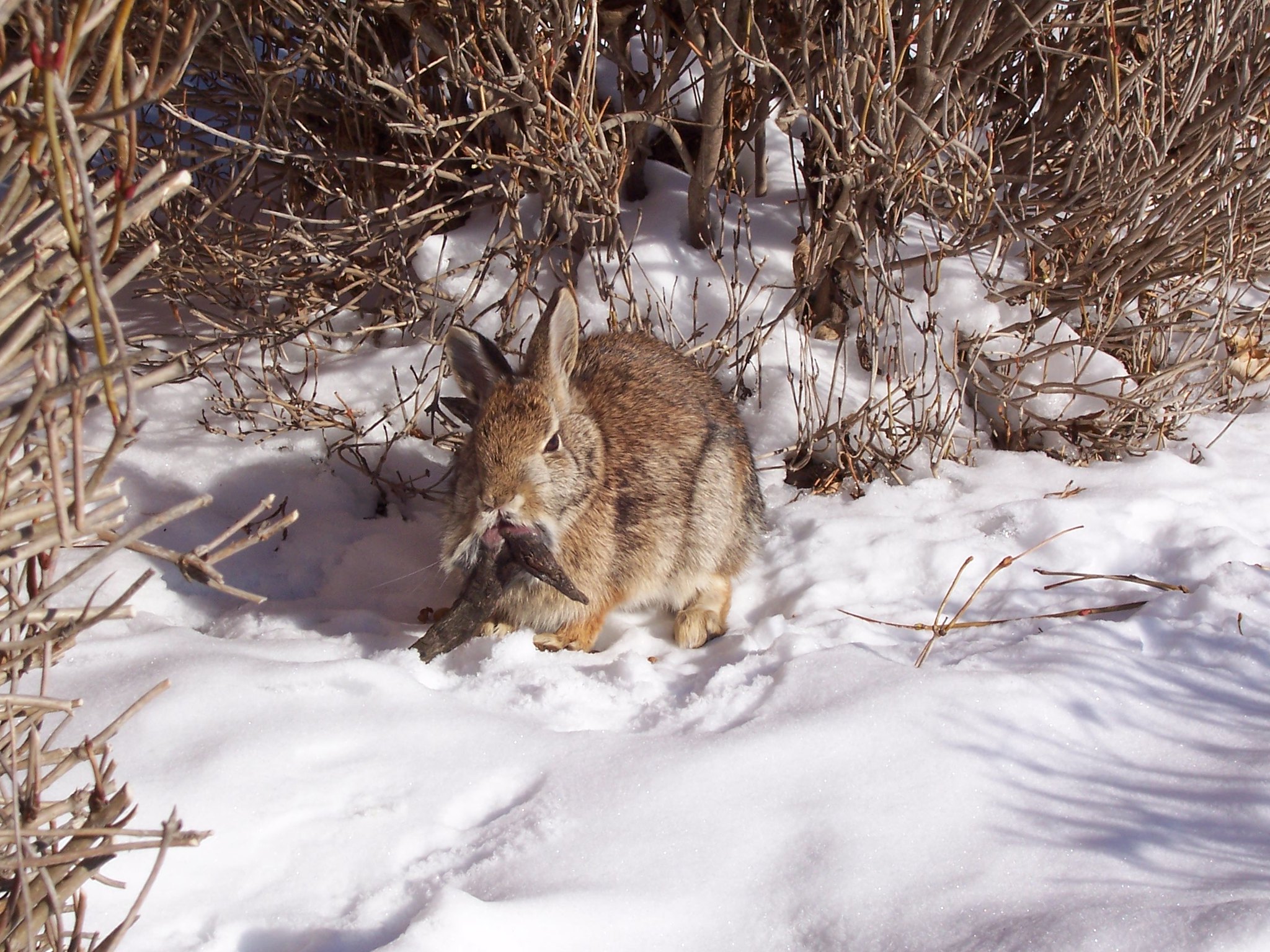
These lesions are found in various locations on the upper half of the animal's body, including the neck and shoulders, but are primarily found on the eyelids, ears, and other areas of the head. Sometimes they can be found on the rabbit’s feet.
How Is Shope Papilloma Virus Spread?
This virus is spread through mosquito and tick bites. After a mosquito or tick bites a rabbit infected with Shope papilloma virus, it can continue to spread and infect other rabbits through subsequent bites and feedings.
CRPV Diagnosis and Treatment Options
To diagnose CRPV in rabbits, a veterinarian will surgically or manually remove the nodules. These nodules will then be sent to a pathologist for evaluation via histopathology, where sections of the tumor are evaluated under the microscope.
This helps to determine the cause of the papillomas, if they are benign or malignant, and if they have transformed to squamous cell carcinomas.
Surgical removal of the tumors is recommended, as the nodules may become malignant and can metastasize to lymph nodes and the lungs. However, they do occasionally resolve on their own.
If your bunny undergoes surgery, keep them in comfortable rabbit bedding, avoiding any wood shavings that could irritate the incision.
It’s also important to monitor your rabbit’s incision site for any swelling, discharge, and odor. Additionally, monitor them for any signs of discomfort, appetite changes, and/or defecation changes.
Contact your veterinarian immediately if you notice any of these symptoms or complications.
Give medications and topical products as prescribed and follow discharge instructions. Routine follow-up exams at the veterinarian's office are typically recommended. This will allow your vet to monitor the rabbit's progress and remove any recurring tumors.
Your rabbit must not scratch the lesions, as they may bleed and lead to an infection. Your vet will most likely recommend a rabbit recovery cone, which are smaller in size to fit a rabbit’s neck. If these are not available, some smaller pet recovery cones, like the SunGrow Post-Surgery Soft Cone, may be recommended.
CRPV Risks, Prognosis, and Human Safety
Keeping your rabbit away from pests, including mosquitoes and ticks, is the best way to prevent the animal from contracting CRPV. This will also prevent the spread of the disease.
There is no concern for spread to other animals or humans at this time, as the virus is species specific to rabbits only.
Shope Papilloma Virus in Rabbits FAQs
What is the Shope papilloma virus?
Shope papilloma virus or cottontail rabbit papilloma virus is a viral infection spread between rabbits that can cause papillomas on the head, neck, shoulders, and abdomen of rabbits.
What are rabbit horns?
Rabbit horns are progressed papillomas that have hardened and keratinized into dark horn-like lesions on the face and upper body.
Are rabbit warts contagious?
Rabbit warts are very contagious to other rabbit species through biting insects.
Is Shope papilloma virus the same as rabbit HPV?
Shope papilloma virus is sometimes referred to as rabbit HPV due to the virus being a cancer model for human HPV, but there is no actual virus called rabbit human papilloma virus.
What is cottontail cutaneous papilloma virus?
Cottontail cutaneous papilloma virus is another common name for Shope papilloma virus or cottontail rabbit papilloma virus.
Do rabbits with papilloma need treatment?
Yes, domestic rabbits should be seen and evaluated if they develop papillomas to identify the cause and necessary treatments. Because CRPV can cause malignant cancer in domestic rabbits, it is important to be evaluated within six months of finding any wart like lesions.
In wild cottontail rabbits, CRPV is an endemic disease, so the papillomas are often not treated, and the rabbit will manually remove them on their own or the condition will spontaneously regress.


